
Common Signs of Dehydration in Dogs
Dogs rely on water to stay healthy and energized, yet dehydration is a common issue that can develop faster than many pet owners realize. From active pups playing outside to dogs managing certain health conditions, there are many factors that can deplete a dog’s hydration levels. Recognizing what causes dehydration in dogs can help you prevent it and ensure your pet stays comfortable and healthy, no matter the situation. In this blog, we’ll explore the most common causes, symptoms, and steps you can take to keep dehydration from becoming a serious concern.
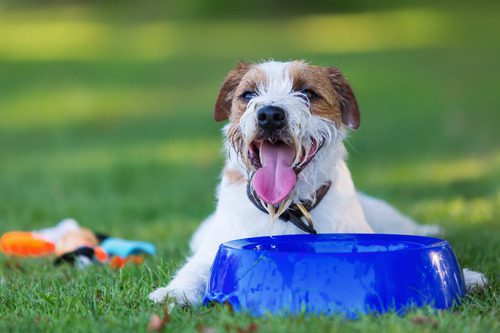
What Causes Dehydration in Dogs?
Dehydration occurs when a dog loses more fluids than they consume, leading to an imbalance in their body. This can result from various factors, such as inadequate water intake, excessive heat, or medical conditions like vomiting and diarrhea. Active dogs, especially those who play outdoors during warm weather, are more susceptible to fluid loss.
- Heat Exposure: Dogs cool themselves through panting, which can lead to rapid water loss in hot weather.
- Illness: Conditions causing vomiting or diarrhea often lead to significant fluid depletion.
- Inadequate Water Intake: Some dogs may not drink enough water, especially if they’re stressed or recovering from surgery.
- Excessive Activity: Prolonged exercise or play can cause your dog to overheat and lose fluids.
Symptoms of Dehydration in Dogs
Symptoms can range from mild to severe, depending on the level of fluid loss.
Physical Indicators
- Dry Gums and Nose: Healthy gums should feel moist and slippery. If they’re dry or sticky, your dog may be dehydrated.
- Sunken Eyes: Dehydration can cause a noticeable change in your dog’s eye appearance, making them appear sunken or dull.
- Loss of Skin Elasticity: A simple skin elasticity test can help determine hydration levels. Gently pinch the skin on the back of your dog’s neck; if it doesn’t spring back into place quickly, dehydration may be the cause.
Behavioral Changes
- Lethargy: Dehydrated dogs often appear unusually tired and uninterested in their surroundings.
- Excessive Panting: While panting is normal, excessive panting can indicate fluid loss.
- Reduced Appetite: A dog experiencing dehydration may refuse food or eat less than usual.
If you notice any of these symptoms, contact Buffalo Grove Animal Hospital at (847) 394-1128 for guidance.
Why Is Dehydration in Dogs a Serious Issue?
Dehydration in dogs is more than just a lack of water; it impacts their entire body, potentially leading to severe health complications. Water plays a crucial role in maintaining essential functions like temperature regulation, nutrient transport, and organ performance. Without adequate hydration, these systems can falter, putting your dog at serious risk.
Blood Flow & Circulation
When fluids are depleted, the body struggles to deliver oxygen and nutrients to vital organs, including the brain and heart. This can lead to lethargy, weakness, and, in severe cases, organ failure.
Electrolyte Imbalances
Sodium, potassium, and chloride are essential for muscle contractions and nerve functions. When these levels become unbalanced, your dog may experience muscle tremors, irregular heartbeats, or even collapse. For puppies, senior dogs, or those with chronic health conditions, the risks are even higher. Their bodies are less equipped to handle fluid loss, making them more susceptible to dehydration-related complications.
Protecting Your Dog’s Health
If dehydration becomes severe and is left untreated, it can result in irreversible damage or become life-threatening. Recognizing and addressing dehydration promptly is critical to protecting your dog’s health. Should you observe concerning symptoms, call Buffalo Grove Animal Hospital at (847) 394-1128 to schedule a consultation.
How to Prevent Dehydration in Dogs
Prevention is always better than treatment when it comes to dehydration in dogs. Small adjustments to your dog’s routine can make a significant difference.
- Always ensure your dog has access to fresh, clean water, both at home and during outdoor activities. Regularly refill their water bowl and clean it to encourage drinking.
- Hot weather increases your dog’s risk of dehydration. Offer extra water during warmer months and limit strenuous activities during peak heat hours.
- If your dog tends to drink less water, consider using a pet water fountain to make hydration more appealing. These devices keep water moving, which can encourage reluctant drinkers.
Is It Time to Contact Your Veterinarian?
Your dog’s hydration is an essential part of their overall health. By staying alert to the signs of dehydration, you can take action before the situation worsens. Dehydration can escalate into a medical emergency if left untreated. If your dog is experiencing persistent vomiting or diarrhea, is extremely lethargic or unresponsive, or collapses, call Buffalo Grove Animal Hospital at (847) 394-1128 for help.
Recent Posts
Essential Vaccinations Every Pet Should Have and Why
Essential Vaccinations Every Pet Should Have and Why Every pet owner asks at some point which shots…
Fun and Engaging Activities to Keep Your Pet Active and Happy
Fun and Engaging Activities to Keep Your Pet Active and Happy Every dog and cat needs regular…
The Benefits of Regular Vet Check-ups for Your Pet’s Health
The Benefits of Regular Vet Check-ups for Your Pet’s Health Most pet owners only think about a…
Symptoms and Causes of Lyme Disease in Dogs, How is It Treated?
Symptoms and Causes of Lyme Disease in Dogs, How is It Treated? Ticks are a fact of…
Tips for Protecting Your Pet from Fleas and Ticks
Tips for Protecting Your Pet from Fleas and Ticks Fleas and ticks are more than just an…
About Buffalo Grove Animal Hospital
Buffalo Grove Animal Hospital has been a part of the Buffalo Grove community since 1969. Our veterinarians serve Buffalo Grove, Arlington Heights, Palatine, and the surrounding areas with the best veterinary medicine year after year. Our commitment to pet health runs deep, and we’ve proven our skill and compassion by becoming an AAHA-accredited Animal Hospital, the highest accreditation veterinary practices can receive.