
Symptoms and Causes of Lyme Disease in Dogs, How is It Treated?
Ticks are a fact of life in Buffalo Grove, and with them comes a real risk of Lyme disease in dogs. Lyme disease in dogs is a bacterial infection spread through the bite of an infected black-legged tick, and it can cause lasting joint and kidney problems if it goes unnoticed.
Illinois sits within one of the higher-risk regions for tick-borne illness in the country, and Buffalo Grove’s wooded parks, tall grasses, and suburban green spaces give ticks plenty of places to wait for a passing host. Because Lyme disease in dogs often develops quietly, many pet owners do not realize their dog has been exposed until symptoms appear weeks later. That is why Buffalo Grove Animal Hospital encourages every local dog owner to learn the basics of prevention, recognition, and treatment.
How Do Dogs Get Lyme Disease?
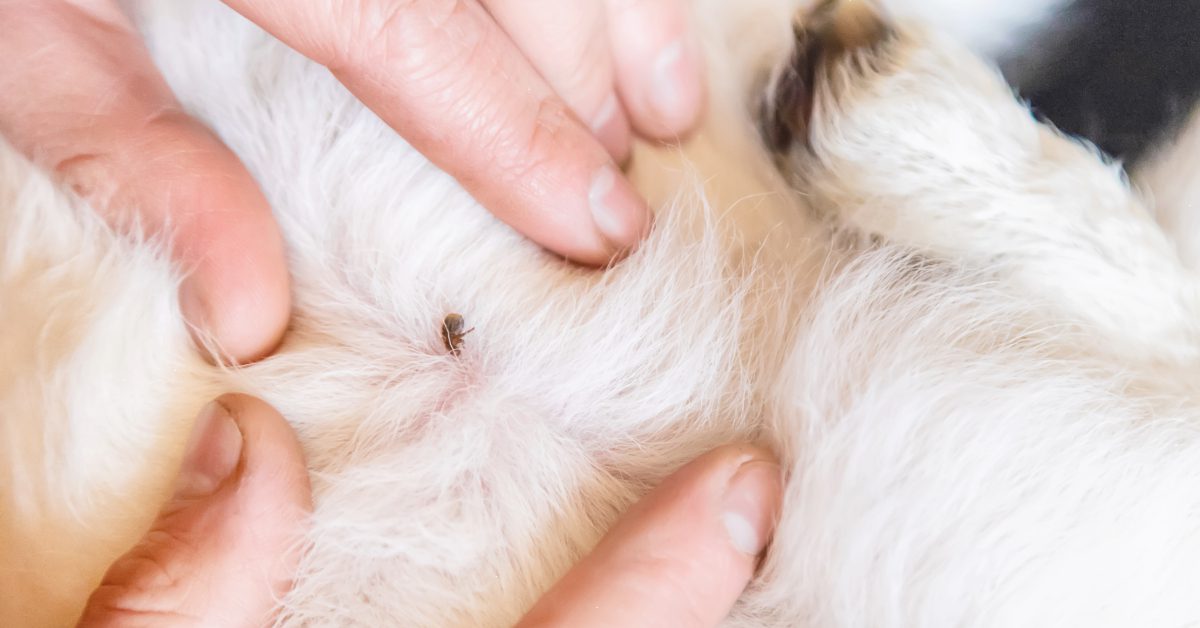
Lyme disease in dogs is caused by the bacterium Borrelia burgdorferi, which lives inside black-legged ticks, also known as deer ticks. A dog contracts Lyme disease when an infected tick attaches and feeds for an extended period, typically 24 to 48 hours. This delay is one reason routine tick checks are such an effective prevention tool: removing a tick before it has fed for a full day dramatically lowers the chance of transmission.
The Tick-to-Dog Transmission Window
- A tick must be attached for at least a day before the bacteria can transmit, which is why daily tick checks matter
- Ticks often hide in hard-to-see areas like the ears, armpits, and between the toes
- Wooded trails, tall grasses, and leaf piles are common places dogs pick up ticks in Buffalo Grove
Because Lyme disease in dogs spreads through this specific tick species, understanding your dog’s exposure to wooded or grassy environments is a useful first step in gauging risk. Dogs that spend time hiking, visiting dog parks with brush cover, or living near wooded lots face a higher chance of tick contact throughout spring, summer, and fall. Even dogs that mostly stay in a fenced backyard can encounter ticks carried in on grass clippings, leaf litter, or wildlife passing through the yard.
Why Buffalo Grove Is a Higher-Risk Area
Black-legged ticks are most active in spring and fall, but in a mild Illinois winter they can remain active whenever temperatures climb above freezing for a few days. This is part of why Buffalo Grove Animal Hospital recommends treating tick exposure as a year-round concern rather than a seasonal one. Dogs of any age or breed can be affected, though dogs that spend significant time outdoors in wooded or grassy terrain carry a higher lifetime risk.
What Are the Symptoms of Lyme Disease in Dogs?
Unlike some illnesses, Lyme disease in dogs does not always cause an obvious reaction immediately after a tick bite. Signs can typically appear within about a week of infection, which can make it difficult to connect a dog’s symptoms back to a specific tick bite or outdoor outing.
Early Warning Signs to Watch For
Common symptoms include:
- Sudden lameness that may shift from one leg to another, sometimes called “shifting-leg lameness”
- Swollen, warm, or painful joints
- Fever and reduced appetite
- Lethargy or a general lack of energy
- Swollen lymph nodes
In more advanced cases, Lyme disease in dogs can progress to a serious condition called Lyme nephritis, which affects the kidneys and can become life-threatening. Dogs showing increased thirst, increased urination, vomiting, or weight loss alongside joint pain should be evaluated promptly, since these can point to kidney involvement rather than joint inflammation alone. Because symptoms of Lyme disease in dogs can overlap with arthritis, injury, or other tick-borne illnesses, a veterinary evaluation is the only reliable way to confirm the cause.
When Symptoms Come and Go
Some dogs show only mild, intermittent lameness that resolves on its own for a while before returning, which can lead owners to dismiss it as a minor strain. Because Lyme disease in dogs can wax and wane like this, any recurring lameness is worth mentioning to your veterinary team, even if your dog seems to have “gotten better” in between episodes.
What Causes the Symptoms Seen in Lyme Disease?
The symptoms of Lyme disease in dogs stem from the body’s immune response to the Borrelia bacteria as it spreads through the bloodstream and settles in tissues, particularly around joints. This immune reaction is what produces the inflammation, swelling, and discomfort associated with Lyme disease in dogs.
How the Immune Response Drives Symptoms
- Joint inflammation results from the immune system reacting to bacteria that have migrated into joint tissue
- Fever and lethargy occur as the body mounts a systemic immune response
- Kidney complications arise when immune complexes deposit in kidney tissue, a process unique to a subset of Lyme-positive dogs
Not every dog exposed to Borrelia burgdorferi develops noticeable illness. Some dogs test positive for exposure but never show symptoms, while others develop the full range of signs associated with Lyme disease in dogs. This variability is part of why routine screening plays such an important role in early detection, since a dog can be carrying the bacteria well before any outward signs appear.
Why Some Dogs Get Sicker Than Others
Researchers believe individual immune response, the amount of bacteria transmitted, and how long a tick remained attached all influence whether a dog develops symptomatic Lyme disease in dogs or simply tests positive without ever becoming ill. This is why two dogs from the same household, walked on the same trail, can have very different outcomes after a tick encounter.
How Is Lyme Disease in Dogs Diagnosed and Treated?
Diagnosing Lyme disease in dogs typically starts with a blood test that detects antibodies to the Borrelia bacteria, often performed alongside a dog’s annual wellness exam. If a dog tests positive and is showing symptoms, our veterinary team at Buffalo Grove Animal Hospital will usually recommend additional testing to check kidney function and rule out other tick-borne conditions.
Blood Work and Follow-Up Testing
- Your veterinarian may run a full blood panel and urinalysis to assess kidney health
- Additional tick-panel testing can identify co-infections from other tick-borne organisms
- Follow-up testing may be recommended weeks after treatment begins to monitor progress
Treatment for Lyme disease in dogs generally involves a several-week course of antibiotics prescribed and monitored by your veterinarian, along with supportive care tailored to the dog’s specific symptoms. Every case is different, so the Buffalo Grove Animal Hospital team designs a treatment plan based on each dog’s bloodwork, symptom severity, and overall health. Dogs with kidney involvement require closer monitoring and a more customized approach than dogs with joint symptoms alone, and may need ongoing bloodwork long after the initial antibiotic course ends.
What Recovery Typically Looks Like
Most dogs treated for Lyme disease in dogs show improvement in lameness and energy within days of starting treatment, though your veterinarian will typically recommend completing the full course even if symptoms resolve early. Because antibody levels can remain elevated long after treatment, your veterinary team may use specific follow-up bloodwork rather than a simple repeat of the original screening test to confirm how the dog is responding.
Protecting Your Dog From Ticks Year-Round
Prevention remains the most effective tool against Lyme disease in dogs, and it starts with a consistent, veterinarian-guided parasite prevention plan. Buffalo Grove Animal Hospital recommends year-round tick prevention products, since Illinois winters do not always get cold enough to eliminate tick activity entirely.
Everyday Prevention Habits
- Ask about monthly oral or topical tick preventives suited to your dog’s size and lifestyle
- Check your dog for ticks after hikes, walks in wooded areas, or time spent in tall grass
- Keep grass trimmed and brush cleared in your yard to reduce tick habitat
A Lyme vaccine is also available for dogs at higher risk of exposure, and our veterinary team at Buffalo Grove Animal Hospital can help determine whether it makes sense for your dog’s lifestyle and activity level. Combining vaccination, monthly preventives, and consistent tick checks gives dogs multiple layers of protection rather than relying on a single method alone.
Building a Layered Defense Plan
Annual Lyme disease screening, paired with prevention products and routine tick checks, gives Buffalo Grove dog owners a strong defense against this common regional threat. If you notice lameness, swelling, or unusual lethargy in your dog, call us at (847) 394-1128 to schedule an appointment so the cause can be identified quickly and accurately.
Recent Posts

Essential Vaccinations Every Pet Should Have and Why
Essential Vaccinations Every Pet Should Have and Why Every pet owner asks at some point which shots…

Fun and Engaging Activities to Keep Your Pet Active and Happy
Fun and Engaging Activities to Keep Your Pet Active and Happy Every dog and cat needs regular…
The Benefits of Regular Vet Check-ups for Your Pet’s Health
The Benefits of Regular Vet Check-ups for Your Pet’s Health Most pet owners only think about a…

Tips for Protecting Your Pet from Fleas and Ticks
Tips for Protecting Your Pet from Fleas and Ticks Fleas and ticks are more than just an…

Why Is My Cat Itching and Licking So Much?
Why Is My Cat Itching and Licking So Much? If you have noticed your cat scratching constantly,…
About Buffalo Grove Animal Hospital
Buffalo Grove Animal Hospital has been a part of the Buffalo Grove community since 1969. Our veterinarians serve Buffalo Grove, Arlington Heights, Palatine, and the surrounding areas with the best veterinary medicine year after year. Our commitment to pet health runs deep, and we’ve proven our skill and compassion by becoming an AAHA-accredited Animal Hospital, the highest accreditation veterinary practices can receive.