
Essential Vaccinations Every Pet Should Have and Why
Every pet owner asks at some point which shots their dog or cat actually needs, and the short answer is that vaccinations every pet should have fall into two categories: core vaccines recommended for nearly all pets, and non-core vaccines based on lifestyle and risk. Getting this right protects your pet from serious, sometimes fatal, diseases while also protecting other animals and people in your community. Buffalo Grove Animal Hospital builds a vaccination plan for every patient based on age, health history, and daily routine.
Vaccines work by training a pet’s immune system to recognize a disease before real exposure happens, so the body can respond quickly and effectively if it ever encounters the actual virus or bacteria. Skipping or delaying vaccinations every pet should have leaves that immune system unprepared, which is why veterinarians treat a vaccination schedule as a foundational part of preventive care rather than an optional extra.
Why Are Vaccinations Important for Pets?
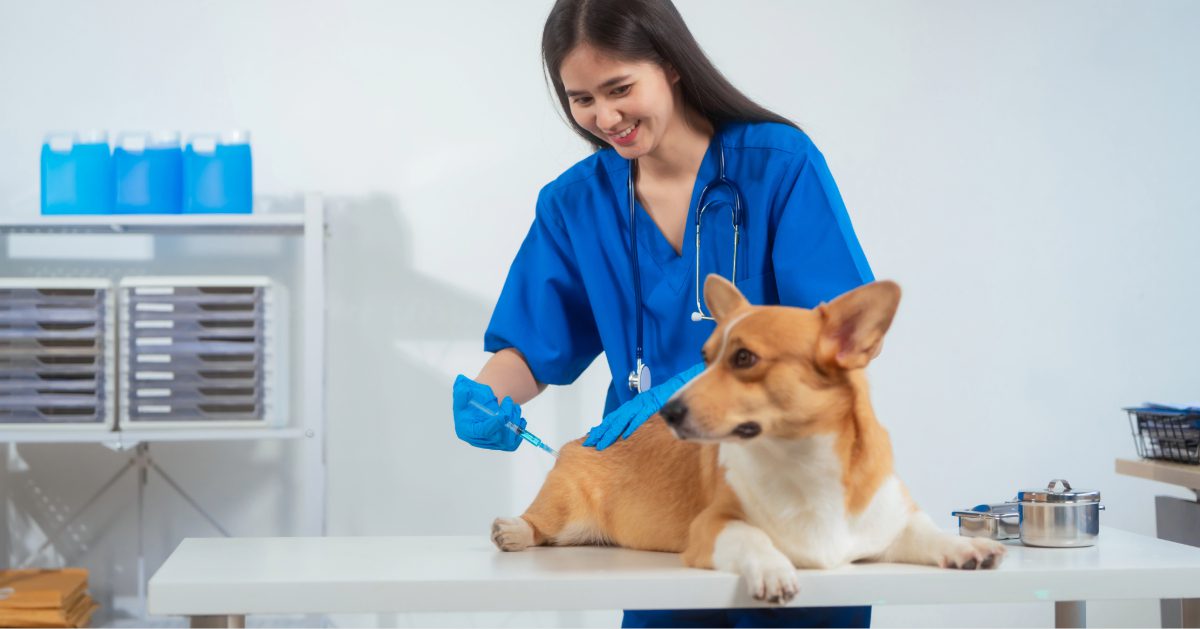
Vaccinations every pet should have exist because several common diseases in dogs and cats are highly contagious, difficult to treat, and in some cases fatal. Vaccines dramatically reduce the risk of your pet contracting these illnesses and lower the severity of disease if exposure does occur.
How Vaccines Protect the Whole Community
- Vaccinated pets are far less likely to spread disease to other animals at parks, boarding facilities, or grooming appointments
- Some vaccines, like rabies, protect human family members as well as pets
- Community-wide vaccination reduces the overall presence of disease in the local pet population
Beyond individual protection, vaccinations every pet should have play a role in public health. Rabies vaccination, for example, is legally required in most areas because rabies is fatal and transmissible to humans. Buffalo Grove Animal Hospital follows state and local guidelines to make sure every patient stays current and compliant. This matters beyond legal compliance too, since a documented vaccine history is often required before boarding, grooming, or even routine daycare visits.
There is also a cost consideration that many pet owners overlook. Treating a preventable disease like parvovirus or distemper often involves days of hospitalization, IV fluids, and intensive supportive care, which tends to be far more expensive than the vaccinations every pet should have in the first place. Preventive care is generally the more affordable path, both financially and in terms of what a sick pet has to go through.
Why Timing Matters More Than Pet Owners Expect
Puppies and kittens are born with limited immune protection passed from their mother, and that protection fades over the first several months of life. This is why vaccinations every pet should have are given in a series during early puppyhood and kittenhood rather than as a single dose, allowing the immune system to build lasting protection as maternal antibodies decline.
What Are the Core Vaccinations Every Pet Should Have?
Core vaccinations every pet should have are considered essential for virtually all dogs and cats, regardless of lifestyle, because the diseases they prevent are widespread, severe, or a public health risk.
Core Vaccines for Dogs
- Rabies, required by law in most states and one of the most critical vaccinations every pet should have
- Canine distemper virus, adenovirus-2, parainfluenza virus, and parvovirus, typically combined into a single DA2PP vaccine
- Canine Influenza Virus, both H3N2 and H3N8 strains
Core Vaccines for Cats
- Rabies
- Feline distemper (panleukopenia), combined with calicivirus and herpesvirus in a single FVRCP vaccine
- Additional vaccines like feline leukemia may be recommended based on a cat’s outdoor access and exposure risk
Buffalo Grove Animal Hospital tailors the full list of vaccinations every pet should have to each individual patient, since lifestyle factors like boarding, dog park visits, or outdoor access can call for additional non-core vaccines such as bordetella, leptospirosis, or feline leukemia.
How Often Do Pets Need Vaccinations?
The vaccinations every pet should have follow a schedule that starts in early puppyhood or kittenhood and continues with periodic boosters throughout adulthood. Getting the timing right matters just as much as getting the vaccines themselves right.
The Puppy and Kitten Series
- Initial vaccines typically begin around six to eight weeks of age
- Booster doses are given every three to four weeks until roughly sixteen weeks old
- A final round confirms full protection once maternal antibodies have fully declined
After the initial series, adult dogs and cats generally need boosters on a one to three year schedule depending on the specific vaccine and local regulations. Rabies boosters, in particular, are often mandated on a set legal timeline. Buffalo Grove Animal Hospital tracks each patient’s vaccination history and sends reminders so pet owners never have to guess when the next round of vaccinations every pet should have is due.
Adjusting the Schedule for Senior Pets
Older pets still need many of the vaccinations every pet should have, though a veterinarian may adjust frequency or specific vaccines based on the pet’s health status, prior reactions, or underlying conditions. Regular wellness exams help determine whether a senior pet’s immune response and overall health support the standard adult schedule. Some senior pets with chronic conditions may benefit from titer testing, which measures existing antibody levels and can help a veterinarian decide whether a booster is truly needed at that visit.
What Happens If Pets Miss Vaccinations?
Falling behind on the vaccinations every pet should have does not just leave a pet unprotected during the gap. It can also mean restarting part of the vaccine series depending on how much time has passed, since immunity from earlier doses may have waned.
Risks of Delayed or Skipped Vaccines
- Increased susceptibility to serious, potentially fatal diseases like parvovirus or distemper
- Possible exclusion from boarding, grooming, or daycare facilities that require proof of current vaccines
- Legal issues in the case of a lapsed rabies vaccine, particularly after a bite incident
If your pet has fallen behind, our Buffalo Grove Animal Hospital team can evaluate prior vaccination records and build a catch-up plan that restores full protection as efficiently as possible. In many cases, pets do not need to restart an entire series, but your veterinarian needs to review timing and vaccine type to make that determination safely. Adopted pets and rescues with incomplete or unknown vaccine histories are a common example, and your veterinarian can typically use age, health signs, and available records to build an appropriate plan from there.
Building a Vaccination Plan With Your Vet
Every pet’s ideal set of vaccinations every pet should have looks a little different once lifestyle, age, and health history are factored in. A wellness exam is the best starting point, since it gives your veterinarian the chance to review your pet’s specific risks and recommend both core and non-core vaccines accordingly.
Bring Any Prior Records to Your Visit
If you’re switching veterinarians or bringing home a new pet, prior vaccination records help avoid unnecessary repeat doses and give your veterinarian a clearer picture of what is still needed. Even partial records, like a rabies certificate or a breeder’s paperwork, can speed up the process of confirming which vaccinations every pet should have are already up to date.
Scheduling a vaccination review with Buffalo Grove Animal Hospital ensures your dog or cat stays current, protected, and compliant with local requirements. Staying proactive about vaccinations every pet should have is one of the simplest, most effective ways to help your pet live a longer, healthier life. Call us at (847) 394-1128 to schedule an appointment.
Recent Posts

Fun and Engaging Activities to Keep Your Pet Active and Happy
Fun and Engaging Activities to Keep Your Pet Active and Happy Every dog and cat needs regular…
The Benefits of Regular Vet Check-ups for Your Pet’s Health
The Benefits of Regular Vet Check-ups for Your Pet’s Health Most pet owners only think about a…
Symptoms and Causes of Lyme Disease in Dogs, How is It Treated?
Symptoms and Causes of Lyme Disease in Dogs, How is It Treated? Ticks are a fact of…

Tips for Protecting Your Pet from Fleas and Ticks
Tips for Protecting Your Pet from Fleas and Ticks Fleas and ticks are more than just an…
Why Is My Cat Itching and Licking So Much?
Why Is My Cat Itching and Licking So Much? If you have noticed your cat scratching constantly,…
About Buffalo Grove Animal Hospital
Buffalo Grove Animal Hospital has been a part of the Buffalo Grove community since 1969. Our veterinarians serve Buffalo Grove, Arlington Heights, Palatine, and the surrounding areas with the best veterinary medicine year after year. Our commitment to pet health runs deep, and we’ve proven our skill and compassion by becoming an AAHA-accredited Animal Hospital, the highest accreditation veterinary practices can receive.