
Can Dogs Eat French Fries?
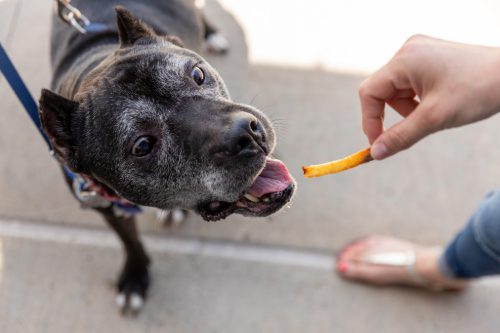
Can dogs eat french fries? Many pet owners ask this question the moment a dog stares up from beneath the table while fries hit the plate. The short answer is that dogs can technically eat french fries, but that does not mean they are a good or safe choice for dogs. Understanding why this common food raises concerns can help pet owners make more informed decisions during everyday meals. French fries seem harmless because they are made from potatoes, which are familiar ingredients. However, once potatoes are sliced, fried, salted, and seasoned, they become something very different for dogs. The question “Can dogs eat french fries?” deserves a closer look at ingredients, preparation methods, and how a dog’s digestive system responds to these foods.
Why Pet Owners Ask: Can Dogs Eat French Fries?
Pet owners often ask if dogs can eat french fries because fries are everywhere. They appear at restaurants, family dinners, cookouts, and drive-through meals. Dogs notice the smell, the crunch, and the attention fries bring, which naturally sparks curiosity and begging behaviors.
The confusion around whether dogs can eat french fries also comes from mixed messages about human food. Some human foods are safe for dogs in certain forms, while others can cause digestive upset or longer-term health issues. Fries fall into a gray area where the base ingredient seems simple, but the final product presents problems. Understanding that difference helps explain why veterinarians frequently discourage sharing fries with dogs.
What Are French Fries Made Of?
To understand if dogs can eat french fries, it helps to break down what fries actually contain. French fries start as potatoes, but the preparation process changes their nutritional profile completely. Once potatoes are fried in oil and coated in salt, they become high in fat, sodium, and calories.
Most restaurant fries also include seasonings, preservatives, or flavor enhancers. Some fries contain garlic powder, onion powder, or spicy coatings. These additions increase the risks for dogs and contribute to digestive upset or other complications. When asking “Can dogs eat french fries?”, the ingredients matter just as much as the potato itself.
Potatoes and Dogs
Plain, fully cooked potatoes are sometimes included in commercial dog foods. That fact leads many pet owners to believe dogs can eat french fries without concern. The issue is not the potato alone, but how it is prepared and served. Raw potatoes and green potatoes contain compounds that are not safe for dogs. While french fries are cooked, the frying process adds unhealthy fats that dogs do not need. This distinction explains why potatoes and french fries are not equal when it comes to dog-friendly foods.
Oil, Salt, and Seasonings
Oil plays a major role in whether dogs can eat french fries conversation. Fries absorb large amounts of oil during frying, which increases fat content significantly. High-fat foods are harder for dogs to digest and can lead to stomach upset. Salt adds another layer of concern. Dogs do not need added sodium in their diets, and fries often contain far more salt than a dog should consume. Seasonings such as garlic or onion powders further complicate the question of whether dogs can eat french fries, as these ingredients can cause problems for dogs.
Can Dogs Eat French Fries Without Getting Sick?
Can dogs eat french fries without getting sick? Some dogs may eat a small number of fries and appear fine afterward. That does not mean fries are safe or appropriate for regular feeding. Dogs process food differently than humans, and even small indulgences can affect them in ways that are not immediately obvious.
Digestive upset is one of the most common outcomes after eating fries. Dogs may experience vomiting, diarrhea, or changes in appetite. These reactions can vary based on a dog’s size, age, and sensitivity. While not every dog reacts the same way, the risks make the question “Can dogs eat french fries?” an important one for pet owners.
Short-Term Digestive Effects
In the short term, fries can irritate a dog’s stomach. The combination of grease and salt can overwhelm the digestive system. Dogs that are not used to fatty foods may show symptoms within hours. Loose stools, gas, or discomfort can follow. Even if symptoms resolve quickly, repeated exposure increases the chances of ongoing digestive issues. This is why veterinarians often caution against sharing foods like fries.
Long-Term Health Considerations
The long-term concerns tied to whether dogs can eat french fries extend beyond digestion. Fries add empty calories that contribute to weight gain. Obesity in dogs links to joint stress, reduced mobility, and other chronic health issues. High-fat diets also place strain on a dog’s organs over time. While an occasional fry might not cause immediate harm, repeated exposure increases risks. The question of whether dogs can eat french fries becomes less about a single moment and more about patterns that affect long-term health.
How French Fries Affect a Dog’s Diet
A dog’s diet should support balanced nutrition, energy, and overall wellness. When asking “Can dogs eat french fries?”, it helps to look at what fries replace in the diet. Fries do not offer meaningful nutrients for dogs and can crowd out healthier food choices. Dogs thrive on diets formulated for their specific needs. Human snack foods disrupt that balance. Even small additions can throw off calorie intake and nutritional ratios. That is why veterinarians often emphasize consistency in feeding routines.
Calories Without Nutrition
French fries contain calories but lack the vitamins and minerals dogs need. When dogs eat fries, they consume energy without nutritional benefit. Over time, this pattern can affect body condition and weight. Pet owners often underestimate how quickly calories add up for dogs. A few fries may seem insignificant, but they represent a larger portion of a dog’s daily calorie needs than many people realize.
Behavioral Expectations Around Food
Another factor in the “Can dogs eat french fries?” discussion involves behavior. Feeding fries from the table can reinforce begging and food-seeking habits. Dogs learn quickly, and repeated rewards create expectations. This behavior can make mealtimes stressful and increase the likelihood of dogs consuming foods that are not ideal for them. Addressing the question of whether dogs can eat french fries also means considering how feeding habits shape behavior.
Are Some Fries Worse Than Others?
Pet owners often wonder if certain fries are safer than others. While all fries present concerns, some varieties increase risks further. Loaded fries, seasoned fries, and fast-food fries typically contain higher fat and sodium levels. Sweet potato fries may sound healthier, but they still undergo frying and seasoning. The same concerns apply. When evaluating whether dogs can eat french fries, the answer does not change based on fry type.
Fast Food vs. Homemade Fries
Fast food fries often contain preservatives and flavor additives. These ingredients complicate digestion and add unnecessary chemicals. Homemade fries may lack preservatives, but frying still adds oil and salt. Even air-fried fries often include seasonings and oils. Regardless of preparation, fries remain an unhealthy choice for dogs.
Talking With Your Veterinarian About Table Foods
Questions like “Can dogs eat french fries?” often come up during routine veterinary visits. Veterinarians can provide guidance on diet, treats, and feeding habits tailored to each dog. Discussing table foods during wellness visits helps pet owners avoid confusion. Clear communication supports better choices and fewer digestive issues tied to inappropriate foods. If you have questions about your dog’s diet or concerns after your dog eats something questionable, reaching out to your veterinary team provides clarity and peace of mind.
When Food Choices Raise Questions
“Can dogs eat french fries?” is one of many questions pet owners ask about sharing human food. While dogs may show interest in fries, interest does not equal safety. Understanding ingredients, preparation, and health impacts helps guide better decisions. If you are unsure about what foods are appropriate for your dog, the team at Buffalo Grove Animal Hospital is here to help. Call (847) 394-1128 or request an appointment to talk with a veterinarian about nutrition, treats, and everyday feeding questions. Having the right information supports healthier habits and happier mealtimes for both you and your dog.
Recent Posts
Essential Vaccinations Every Pet Should Have and Why
Essential Vaccinations Every Pet Should Have and Why Every pet owner asks at some point which shots…

Fun and Engaging Activities to Keep Your Pet Active and Happy
Fun and Engaging Activities to Keep Your Pet Active and Happy Every dog and cat needs regular…
The Benefits of Regular Vet Check-ups for Your Pet’s Health
The Benefits of Regular Vet Check-ups for Your Pet’s Health Most pet owners only think about a…
Symptoms and Causes of Lyme Disease in Dogs, How is It Treated?
Symptoms and Causes of Lyme Disease in Dogs, How is It Treated? Ticks are a fact of…

Tips for Protecting Your Pet from Fleas and Ticks
Tips for Protecting Your Pet from Fleas and Ticks Fleas and ticks are more than just an…
About Buffalo Grove Animal Hospital
Buffalo Grove Animal Hospital has been a part of the Buffalo Grove community since 1969. Our veterinarians serve Buffalo Grove, Arlington Heights, Palatine, and the surrounding areas with the best veterinary medicine year after year. Our commitment to pet health runs deep, and we’ve proven our skill and compassion by becoming an AAHA-accredited Animal Hospital, the highest accreditation veterinary practices can receive.