
Cat Eye Infection: Signs and Treatment
A cat eye infection can appear suddenly and often catches pet owners off guard. One day your cat’s eyes look bright and clear, and the next you notice redness, discharge, or squinting that signals something is wrong. A cat eye infection occurs when bacteria, viruses, or irritation affect the delicate tissues around the eye. Because the eye contains sensitive structures that support vision and comfort, even minor inflammation can quickly become painful or disruptive for your cat.
Understanding the signs of a cat eye infection and how veterinarians diagnose and treat the condition helps you respond quickly if symptoms appear. In this guide, the team at Buffalo Grove Animal Hospital in Buffalo Grove, IL explains what causes eye infections in cats, the symptoms pet owners should watch for, and how veterinary care helps restore eye health.
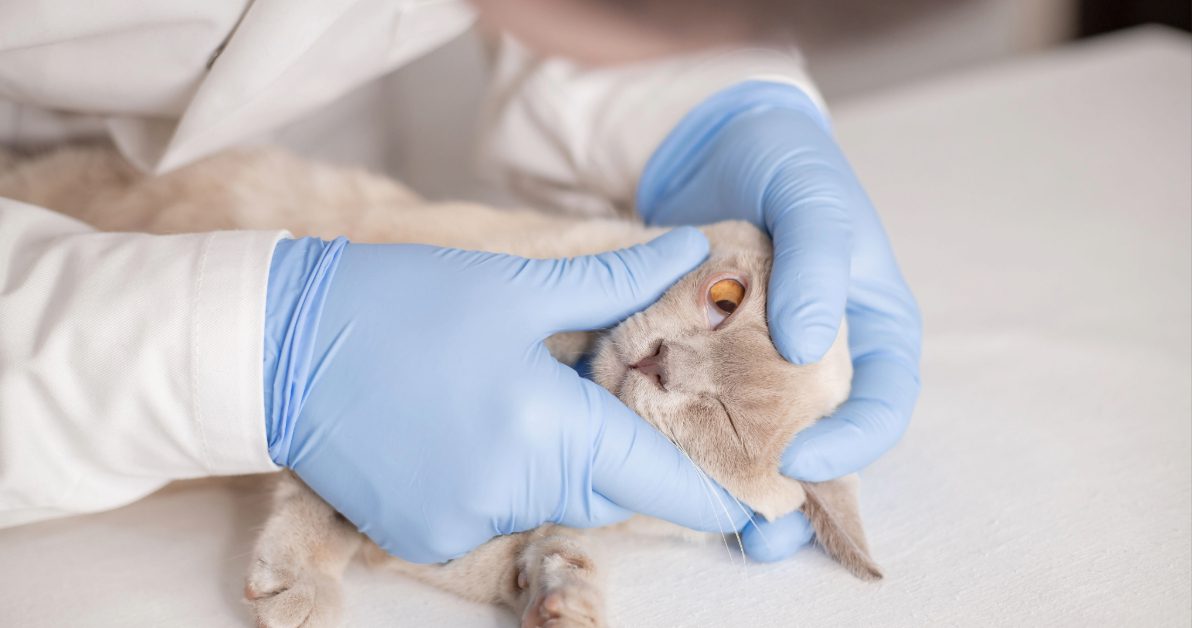
What Is a Cat Eye Infection?
A cat eye infection refers to inflammation or infection involving the tissues that protect and support the eye. These tissues include the conjunctiva, cornea, eyelids, and tear ducts. Our team at Buffalo Grove Animal Hospital often diagnoses conjunctivitis when the thin membrane lining the eyelids becomes inflamed. While conjunctivitis is one of the most common types of cat eye infection, other structures within the eye may also become affected.
Eye infections can develop in one eye or both eyes depending on the cause. Some infections develop quickly and produce obvious symptoms, while others begin gradually and worsen over time. Because the eye contains delicate tissues and nerve endings, even mild irritation can cause noticeable discomfort.
Our veterinarians evaluate eye infections carefully because symptoms may overlap with other eye conditions. A thorough examination helps determine whether the problem involves infection, injury, irritation, or another medical issue affecting the eye.
Conjunctivitis in Cats
Conjunctivitis is one of the most frequently diagnosed forms of cat eye infection. This condition occurs when the conjunctiva becomes inflamed due to infection or irritation. When the conjunctiva becomes inflamed, the eye often appears red and watery. Cats with conjunctivitis may also develop swelling around the eyelids or discharge that accumulates along the lash line. In some cases, the third eyelid becomes more visible when inflammation occurs.
Infection Affecting the Cornea
The cornea is the clear outer layer that protects the front surface of the eye. Damage or infection affecting the cornea can lead to serious discomfort and vision concerns. Even small scratches can introduce bacteria into the tissue. Veterinarians evaluate the cornea carefully because injuries or ulcers may develop if irritation goes untreated.
Signs of a Cat Eye Infection
The symptoms of a cat eye infection can vary depending on the underlying cause and the part of the eye affected. Many pet owners first notice watery eyes or discharge that gathers in the corner of the eye. Cats may also display subtle behavioral changes when their eyes feel irritated or painful. Eye symptoms may appear suddenly or gradually become more noticeable over several days. Because cats groom frequently, discharge may spread along the fur around the eye and create staining.
Common signs of a cat eye infection include:
- Red or inflamed eyes
- Excessive tearing or watery eyes
- Yellow, green, or cloudy discharge
- Squinting or blinking more often than usual
- Swelling around the eyelids
- Light sensitivity
- Pawing at the eye or rubbing the face
- Crusting around the eyelids
- Changes in eye appearance or cloudiness
Eye Discharge and Tear Staining
Discharge is one of the most recognizable signs of a cat eye infection. In mild cases, the discharge may appear clear and watery. In other cases, thicker yellow or green discharge may collect around the eyelids. When discharge builds up, it may dry into crusts along the eyelid edges. Over time, repeated tearing can cause reddish or brown staining on the fur beneath the eye.
Squinting and Signs of Eye Pain
Cats experiencing eye discomfort often squint or keep the affected eye partially closed. This behavior helps protect the eye from additional irritation. Squinting may also occur when the cornea becomes inflamed or scratched. Because the cornea contains many nerve endings, even small injuries can cause significant discomfort.
Redness and Swelling
Inflammation commonly causes the white portion of the eye to appear red or bloodshot. The conjunctiva may swell and create a puffy appearance around the eye. In some cases, the third eyelid becomes more visible as the eye responds to irritation or infection.
What Causes Eye Infections in Cats?
A cat eye infection can develop for several different reasons. Identifying the cause allows our veterinarians to determine the most appropriate treatment approach. Some infections occur independently, while others appear as part of a larger illness affecting the respiratory system. Environmental factors, injuries, and contagious pathogens can all contribute to eye infections in cats.
Viral Infections
Viruses are among the most common causes of eye infections in cats. Feline herpesvirus frequently affects the eyes and respiratory system. Cats infected with this virus may develop conjunctivitis along with sneezing or nasal discharge. These infections may recur periodically throughout a cat’s life, particularly during times of stress or illness.
Bacterial Infections
Bacterial organisms can cause primary eye infections or develop secondary to viral illness. When bacteria infect the eye, discharge often becomes thicker and more noticeable. Bacterial infections may spread between cats living in close proximity, such as in shelters or multi-cat households.
Eye Injuries
Physical injury is another common cause of cat eye infection. Cats may scratch their eyes during grooming or while interacting with other animals. Small scratches on the cornea can introduce bacteria into the tissue and create inflammation or infection.
Allergies and Environmental Irritants
Dust, smoke, or airborne allergens may irritate the eye and lead to inflammation. While irritation alone does not always cause infection, inflamed tissue becomes more vulnerable to bacteria. Our team considers environmental factors when evaluating cats with recurring eye symptoms.
Tear Duct Blockage
Tear ducts help drain fluid away from the eye. When these ducts become blocked, tears may accumulate around the eye and increase moisture along the eyelids. Excess moisture may create an environment that allows bacteria to grow and contribute to infection.
How Buffalo Grove Animal Hospital Diagnoses a Cat Eye Infection
Diagnosing a cat eye infection involves examining the eye carefully and identifying the underlying cause of the symptoms. Our team uses specialized tools and tests to evaluate the eye’s health and detect damage or infection. Because many eye conditions share similar symptoms, diagnostic testing helps guide treatment decisions.
Physical Eye Examination
The first step in diagnosing a cat eye infection is a thorough physical examination of the eye and surrounding tissues. We evaluate both eyes to compare appearance and function. During the exam, your veterinarian checks for redness, swelling, discharge, eyelid abnormalities, and visible injuries.
Fluorescein Stain Test
We may apply a fluorescein dye to the eye to check for corneal scratches or ulcers. The dye highlights damaged areas when viewed under special lighting. Detecting corneal damage is important because untreated ulcers may worsen and threaten eye health.
Tear Production Testing
Some eye infections occur when the eye does not produce adequate tears. Our team measures tear production using specialized strips that evaluate moisture levels. This test helps determine whether dryness contributes to irritation or infection.
Laboratory Testing
In some cases, we collect samples from eye discharge for laboratory testing. These tests can identify bacterial organisms or other infectious agents. Laboratory results allow us to select the most appropriate medications for treatment.
Treating Cat Eye Infections
Treatment for a cat eye infection varies depending on the cause and severity of the condition. We’ll develop treatment plans designed to address the infection while protecting the eye’s delicate structures. Prompt veterinary care helps reduce discomfort and supports recovery.
Prescription Eye Medications
Our team commonly prescribes medicated eye drops or ointments to treat bacterial infections and reduce inflammation. These medications target infectious organisms and help calm irritated tissues. Following your veterinarian’s instructions for medication use helps ensure the eye heals properly.
Treating Underlying Conditions
If a cat eye infection develops as part of a respiratory illness or other medical condition, treatment may focus on managing the underlying disease. Addressing the root cause helps prevent recurring eye infections.
Follow-Up Monitoring
We may recommend follow-up visits to monitor healing and ensure the infection resolves completely. These visits allow adjustments to treatment if symptoms persist. Monitoring the eye helps protect vision and prevent complications.
Veterinary Care for Cat Eye Infections in Buffalo Grove, IL
A cat eye infection may begin with mild symptoms such as watery eyes or redness, but early veterinary care can make a significant difference in protecting your cat’s eye health. Because eye conditions can worsen quickly, professional evaluation helps identify the cause and guide appropriate treatment. Cats often hide discomfort, so changes in their eyes or behavior should always be taken seriously.
Our team at Buffalo Grove Animal Hospital uses specialized diagnostic tools to examine the eye and determine whether infection, injury, or irritation is responsible for the symptoms. If you notice signs of a cat eye infection, our veterinary team in Buffalo Grove, IL can evaluate your cat’s eyes and recommend the next steps in care. To schedule an appointment or speak with a member of the team, call (847) 394-1128 or request an appointment today.
Recent Posts
Essential Vaccinations Every Pet Should Have and Why
Essential Vaccinations Every Pet Should Have and Why Every pet owner asks at some point which shots…

Fun and Engaging Activities to Keep Your Pet Active and Happy
Fun and Engaging Activities to Keep Your Pet Active and Happy Every dog and cat needs regular…
The Benefits of Regular Vet Check-ups for Your Pet’s Health
The Benefits of Regular Vet Check-ups for Your Pet’s Health Most pet owners only think about a…
Symptoms and Causes of Lyme Disease in Dogs, How is It Treated?
Symptoms and Causes of Lyme Disease in Dogs, How is It Treated? Ticks are a fact of…
Tips for Protecting Your Pet from Fleas and Ticks
Tips for Protecting Your Pet from Fleas and Ticks Fleas and ticks are more than just an…
About Buffalo Grove Animal Hospital
Buffalo Grove Animal Hospital has been a part of the Buffalo Grove community since 1969. Our veterinarians serve Buffalo Grove, Arlington Heights, Palatine, and the surrounding areas with the best veterinary medicine year after year. Our commitment to pet health runs deep, and we’ve proven our skill and compassion by becoming an AAHA-accredited Animal Hospital, the highest accreditation veterinary practices can receive.