
Can I Put Neosporin On My Dog?
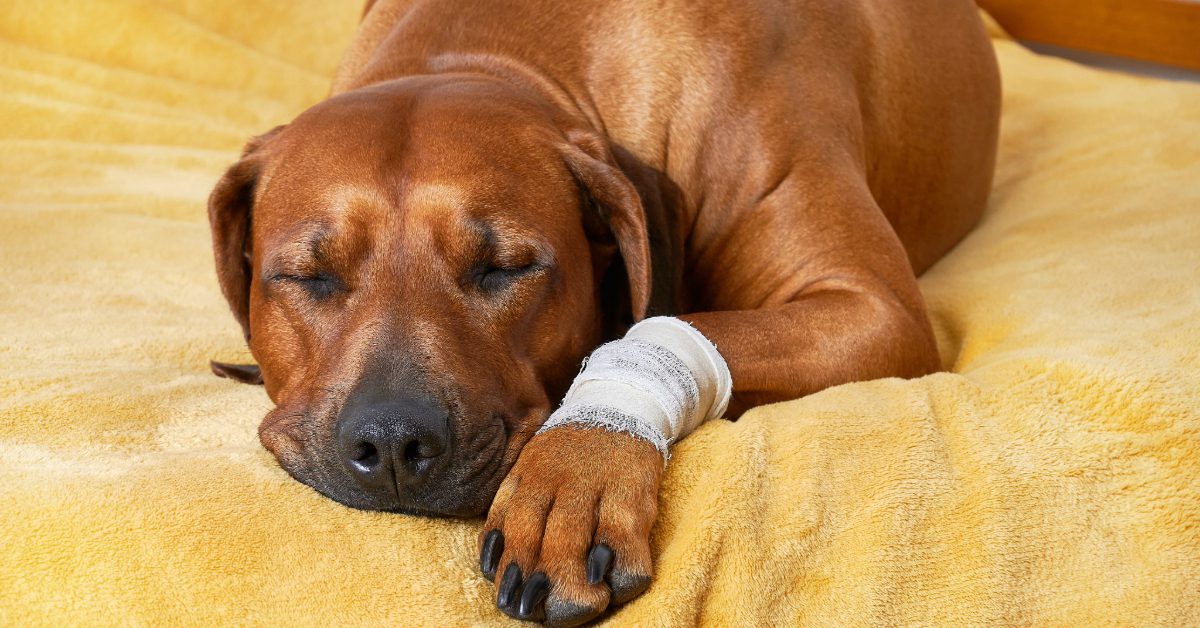
A small scrape on your dog’s paw, a nick from rough play at the park, or a tiny cut discovered during grooming can leave many pet owners asking the same question: can I put Neosporin on my dog? Neosporin may sometimes be used on minor skin injuries in dogs, but it is not always the safest or most appropriate option for every situation. Dogs have different skin sensitivities, healing patterns, and behaviors, especially when licking wounds, that make human medications more complicated to use. In this blog, our team at Buffalo Grove Animal Hospital explains what pet owners should know about Neosporin, how dogs respond to topical antibiotic ointments, and when it’s best to speak with your veterinarian.
What Is Neosporin and How Does It Work?
Neosporin is a topical antibiotic ointment commonly found in home first-aid kits. It is designed to help prevent bacterial infections in minor cuts, scrapes, and superficial skin injuries. The standard formula typically contains three antibiotic ingredients: neomycin, polymyxin B, and bacitracin. These ingredients work together to slow the growth of bacteria and reduce the chance that a small wound will become infected.
The Ingredients in Neosporin
When people ask, “Can I put Neosporin on my dog?”, they are usually thinking about treating a minor wound the same way they would treat their own. The antibiotics in Neosporin target bacteria that commonly infect small skin injuries. Neomycin and polymyxin B work against a range of bacteria, while bacitracin helps prevent certain organisms from multiplying in the wound.
Although these ingredients can be effective in humans, dogs can respond differently. Their skin structure, hair follicles, and natural grooming habits influence how topical medications interact with their bodies. What works safely on human skin may not behave the same way on canine skin.
Why Dogs React Differently to Topical Antibiotics
Dogs often lick wounds repeatedly as part of their instinctive grooming behavior. This licking can remove medication before it has time to work and may introduce additional bacteria into the wound. Ingesting topical ointments may also lead to stomach upset in some dogs. Fur can also trap moisture and debris around a wound, creating a warm environment where bacteria grow quickly. Because of these factors, our team usually evaluates a wound before recommending any topical antibiotic. If you are unsure whether a product meant for humans is appropriate, we can help determine the safest approach.
Is Neosporin Safe for Dogs?
Pet owners frequently search online for answers to the question “Is Neosporin safe for dogs?” While Neosporin is not considered highly toxic to dogs in small amounts, that does not automatically make it safe for every dog or every type of injury. Several factors influence whether a topical antibiotic ointment is appropriate.
Possible Skin Reactions in Dogs
Some dogs may develop irritation or allergic reactions to one or more of the ingredients found in Neosporin. Neomycin, in particular, can trigger allergic dermatitis in certain animals. When this occurs, the skin around the wound may become red, swollen, itchy, or inflamed. If a dog develops a reaction after an ointment is applied, the wound may actually worsen rather than improve. Skin irritation can delay healing and increase the likelihood of infection. This is one reason veterinarians recommend caution when using over-the-counter human medications on pets.
The Risk of Dogs Licking the Ointment
Dogs naturally lick wounds to soothe irritation. Unfortunately, this behavior can create complications when topical medications are applied. A dog may lick away the medication before it has time to work, reducing its effectiveness. Repeated ingestion of ointments can also lead to digestive upset. Vomiting, diarrhea, and drooling may occur if a dog consumes enough of the product. Neosporin formulas that contain additional ingredients such as pain-relief additives may increase the risk of adverse effects. Veterinary teams often recommend pet-specific topical treatments that are designed with these risks in mind.
Why Dogs and Human Medications Don’t Always Mix
Many pet owners assume that medications safe for humans are also safe for dogs. While that may be true in certain situations, there are important biological differences between people and pets that affect how medications work.
Dogs Process Medications Differently
Dogs metabolize medications differently than humans. Their liver enzymes, digestive processes, and skin structure all influence how a drug behaves in the body. A medication that works safely on human skin may absorb differently or cause irritation on canine skin. Human products also often contain additives that have not been thoroughly evaluated for veterinary use. Fragrances, preservatives, and anesthetic agents may cause irritation or toxicity in animals. Because of these variables, veterinarians prefer to recommend treatments specifically formulated for pets.
Wounds May Be More Serious Than They Appear
A wound that looks small on the surface may involve deeper tissue damage. Puncture wounds, bite injuries, or lacerations may trap bacteria beneath the skin even when the opening appears minor. Applying a topical ointment alone may delay proper treatment. Our team at Buffalo Grove Animal Hospital examines wounds carefully to determine their depth, cause, and risk of infection. We may recommend cleaning, bandaging, antibiotics, or other treatments that address the full extent of the injury. Early evaluation can help prevent complications and support faster healing.
When Should a Dog’s Wound Be Seen by Your Veterinarian?
While some superficial scrapes may heal without complications, many injuries benefit from professional evaluation.
Signs a Wound May Be Infected
Infections can develop quickly in dogs because bacteria multiply rapidly beneath the fur. Early veterinary care can prevent infections from spreading and causing additional discomfort. Common signs of infection include:
- Redness or warmth around the wound
- Swelling or thick discharge
- Pain when the area is touched
- Increased licking or chewing at the wound
- Fever or lethargy
If any of these symptoms appear, veterinary attention is recommended.
Injuries That Should Always Be Evaluated
Certain injuries should always be examined by your veterinarian rather than treated with over-the-counter ointments. Bite wounds, puncture injuries, burns, and deep cuts often require medical care. Injuries near the eyes, paws, joints, or face also deserve careful evaluation. Our team can determine whether the wound requires antibiotics, bandaging, or additional diagnostic testing. Prompt care reduces the risk of infection and helps dogs recover comfortably.
Veterinary-Approved Treatments for Minor Skin Injuries
When dogs develop minor skin injuries, veterinarians often recommend treatments specifically formulated for animals. Veterinary topical medications are designed to work safely with canine skin and behavior.
Topical Treatments Designed for Pets
Veterinary-approved ointments, sprays, and antiseptic solutions are commonly used to manage minor wounds in dogs. These products often contain ingredients that help control bacteria while remaining safe if a small amount is ingested during grooming. Because they are designed for animals, these medications are less likely to cause irritation or allergic reactions. They also support proper wound healing while reducing the risk of complications.
Additional Steps That Support Healing
Treatment for a wound often involves more than applying medication. Veterinary teams may clean the wound thoroughly, remove debris, and trim surrounding fur to improve airflow. In some cases, a protective collar may be recommended to prevent licking. Addressing the underlying cause of the injury is also important. Skin infections, allergies, parasites, or environmental irritants may contribute to recurring wounds or irritation. Veterinary evaluation helps identify these underlying issues and guide appropriate treatment.
Questions About Your Dog’s Skin or Wounds?
Many pet owners ask, “Can I put Neosporin on my dog?” when they notice a small cut or scrape. While topical antibiotic ointments may seem like a simple solution, each dog and each wound is different. What works in one situation may not be the best choice in another.
Our veterinary team evaluates wounds based on location, depth, cause, and the dog’s overall health. We also consider potential complications such as infection, allergic reactions, or excessive licking. This careful assessment helps ensure that treatment supports healing and protects your dog’s comfort.
If your dog develops a cut, scrape, or skin irritation and you are unsure how to proceed, our experienced team at Buffalo Grove Animal Hospital in Buffalo Grove, IL can help. Call (847) 394-1128 or request an appointment to discuss your dog’s condition and receive guidance from experienced professionals.
Recent Posts
Essential Vaccinations Every Pet Should Have and Why
Essential Vaccinations Every Pet Should Have and Why Every pet owner asks at some point which shots…

Fun and Engaging Activities to Keep Your Pet Active and Happy
Fun and Engaging Activities to Keep Your Pet Active and Happy Every dog and cat needs regular…
The Benefits of Regular Vet Check-ups for Your Pet’s Health
The Benefits of Regular Vet Check-ups for Your Pet’s Health Most pet owners only think about a…
Symptoms and Causes of Lyme Disease in Dogs, How is It Treated?
Symptoms and Causes of Lyme Disease in Dogs, How is It Treated? Ticks are a fact of…
Tips for Protecting Your Pet from Fleas and Ticks
Tips for Protecting Your Pet from Fleas and Ticks Fleas and ticks are more than just an…
About Buffalo Grove Animal Hospital
Buffalo Grove Animal Hospital has been a part of the Buffalo Grove community since 1969. Our veterinarians serve Buffalo Grove, Arlington Heights, Palatine, and the surrounding areas with the best veterinary medicine year after year. Our commitment to pet health runs deep, and we’ve proven our skill and compassion by becoming an AAHA-accredited Animal Hospital, the highest accreditation veterinary practices can receive.