
Cat and Dog Dental Disease: Stages and What to Look For
Did you know that cats and dogs can develop dental disease just like people do? Without proper care, plaque and tartar buildup can lead to painful infections, gum disease, and even tooth loss. Regular dental cleanings and at-home care are essential for maintaining your pet’s oral health and preventing problems before they become serious.
In this article, we’ll explore the stages of dental disease in cats and dogs, along with the signs you should watch for at each stage. Understanding these stages can help you protect your furry friend’s comfort, health, and longevity.
The Stages of Cat and Dog Dental Disease
Stage 1: Gingivitis (Early Dental Disease)
At this early stage, cats and dogs usually experience mild irritation and inflammation of the gums.
- You might notice slight redness or swelling around the gum line, caused by plaque and bacteria buildup.
- Pets typically don’t show signs of pain yet, although some may hesitate to eat hard or crunchy food.
- This stage is reversible with a professional dental cleaning and a consistent at-home dental routine.
Note for cat owners: Cats are experts at hiding discomfort, so regular veterinary checkups are the best way to catch early dental issues before they worsen.
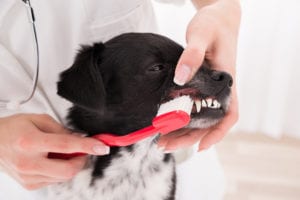
Stage 2: Early Periodontitis
At this point, bone loss may begin to occur in both cats and dogs.
- You may notice bad breath, visible plaque, and red, inflamed gums.
- Some pets may start to chew on one side or drop food while eating.
- A professional dental cleaning is required to stop the progression and restore oral health.
Early intervention at this stage can prevent more serious dental disease later on.
Stage 3: Moderate Periodontitis
This stage involves up to 50% bone loss in affected teeth and noticeable discomfort.
- Gums are often very red, swollen, and prone to bleeding when your cat or dog eats or chews toys.
- Gum recession creates pockets where bacteria can thrive, worsening infection.
- Pets may need tooth extractions or other advanced dental care.
Cats may stop grooming, drool more than usual, or paw at their mouths. Dogs may avoid chewing toys or show sensitivity when eating dry food.
Stage 4: Advanced Periodontitis
In the most severe stage of cat and dog dental disease, pets may suffer from extensive infection, tooth loss, and even jawbone damage.
- This stage is extremely painful and can lead to bacteria entering the bloodstream, potentially harming the heart, liver, or kidneys.
- Many cats and dogs require tooth extractions, antibiotics, and pain management at this point.
- A soft food diet may be necessary for comfort and recovery.
Protecting Your Cat or Dog’s Dental Health
Dental disease is one of the most common and preventable health problems in both cats and dogs. By paying attention to early warning signs, brushing your pet’s teeth regularly, and scheduling routine professional dental cleanings, you can help your furry friend avoid pain and long-term complications.
If you’d like to schedule a dental cleaning for your cat or dog or have questions about their oral health, please call us at (847) 394-1128 or request an appointment on our website.
Recent Posts
Essential Vaccinations Every Pet Should Have and Why
Essential Vaccinations Every Pet Should Have and Why Every pet owner asks at some point which shots…

Fun and Engaging Activities to Keep Your Pet Active and Happy
Fun and Engaging Activities to Keep Your Pet Active and Happy Every dog and cat needs regular…
The Benefits of Regular Vet Check-ups for Your Pet’s Health
The Benefits of Regular Vet Check-ups for Your Pet’s Health Most pet owners only think about a…
Symptoms and Causes of Lyme Disease in Dogs, How is It Treated?
Symptoms and Causes of Lyme Disease in Dogs, How is It Treated? Ticks are a fact of…
Tips for Protecting Your Pet from Fleas and Ticks
Tips for Protecting Your Pet from Fleas and Ticks Fleas and ticks are more than just an…
About Buffalo Grove Animal Hospital
Buffalo Grove Animal Hospital has been a part of the Buffalo Grove community since 1969. Our veterinarians serve Buffalo Grove, Arlington Heights, Palatine, and the surrounding areas with the best veterinary medicine year after year. Our commitment to pet health runs deep, and we’ve proven our skill and compassion by becoming an AAHA-accredited Animal Hospital, the highest accreditation veterinary practices can receive.