
My Cat Was Stung by a Bee: What Should I Do?
If your cat was stung by a bee, the best next step is to watch closely for changes and contact a veterinarian if swelling, discomfort, or unusual behavior develops. Cats investigate flying insects with their paws, noses, or mouths, which makes bee stings more likely than many owners expect. Understanding what a bee sting can cause helps you recognize whether your cat’s reaction appears mild or signals a need for professional care. A cat that was stung by a bee may recover with minimal effects, while others develop more noticeable symptoms. Knowing how to assess the situation gives you confidence during a stressful moment and helps you decide on next steps.
Why Bee Stings Happen to Cats
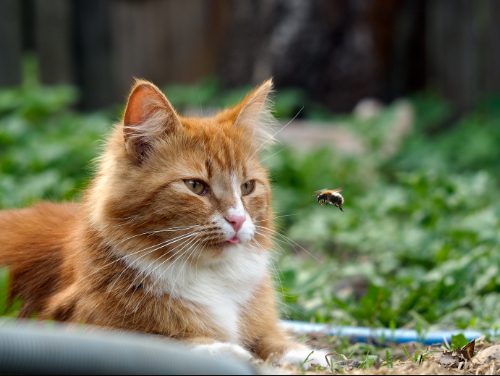
Bee stings often occur because cats rely on movement to guide their instincts. If a cat was stung by a bee, it usually followed an attempt to chase, swat, or bite a buzzing insect. Outdoor cats face higher exposure, but indoor cats can also encounter bees that enter through open doors or windows. Cats do not recognize bees as dangerous. A cat was stung by a bee likely because the insect felt like prey rather than a threat. This natural curiosity explains why stings frequently occur on the face, paws, or mouth, which are the areas cats use to interact with their surroundings.
Common Areas Where a Cat May Be Stung by a Bee
When a cat is stung by a bee, the location of the sting often influences how noticeable the reaction becomes. Some areas of the body show swelling more clearly, which can concern pet owners even if the reaction remains localized.
Face and Mouth
A cat might be stung by a bee on the nose, lips, or tongue after attempting to sniff or bite the insect. Facial swelling can appear dramatic, especially around the eyes or muzzle. Even mild swelling in these areas deserves attention because it can affect breathing, eating, or vision.
Paws and Legs
If a cat was stung by a bee on the paw, limping or excessive licking may occur. Cats rely heavily on their paws for balance and movement, so discomfort in this area often leads to noticeable changes in behavior.
Body or Tail
A cat that is stung by a bee on the body or tail may show localized swelling or sensitivity that is easier to miss. Owners often discover these stings only after noticing grooming changes or signs of irritation.
Typical Reactions After a Cat Is Stung by a Bee
When a cat was stung by a bee, the body reacts to venom injected through the stinger. This reaction varies based on the cat’s immune response, sting location, and whether the cat has experienced stings before. Mild reactions may include redness, swelling, and temporary discomfort. A cat that was stung by a bee may hide, groom excessively, or act quieter than usual for a short time. These signs can resolve gradually, but close observation remains important.
More Serious Reactions to Watch For
Some cats develop stronger responses when stung by a bee, and these reactions require immediate veterinary attention. While severe reactions are less common, recognizing them early is critical.
Signs of an Allergic Reaction
If a cat is stung by a bee and shows rapid swelling, vomiting, weakness, or difficulty breathing, this may indicate an allergic response. Allergic reactions can progress quickly and should never be ignored.
Behavioral Changes
If a cat is stung by a bee and becomes suddenly lethargic, disoriented, or unresponsive may be experiencing a more serious systemic reaction. Changes in posture, vocalization, or coordination also signal concern.
How Bee Stings Affect Cats Differently Than Dogs
When a cat is stung by a bee, the reaction can differ from what dog owners may expect. Cats often hide discomfort more effectively, which can delay detection. A cat that is stung by a bee may retreat to a quiet space rather than show obvious distress. Cats also groom themselves more intensely. After a cat is stung by a bee, excessive grooming near the sting site can worsen irritation or cause secondary skin issues. This behavior highlights the importance of monitoring even subtle changes.
Why Some Cats React More Strongly Than Others
Not every cat that is stung by a bee experiences the same outcome. Individual sensitivity plays a large role in how the body responds to venom. Some cats have heightened immune reactions, while others show minimal signs. Repeated exposure can also matter. If a cat was stung by a bee in the past, the immune system may respond differently during subsequent stings. Age, overall health, and underlying conditions also influence how a cat handles a bee sting.
When Should You Contact Your Veterinarian?
Any time a cat is stung by a bee, it is appropriate to call a veterinary professional if you are unsure about the severity of symptoms. Facial stings, breathing changes, or ongoing discomfort justify prompt communication with a clinic. If your cat was stung by a bee and symptoms worsen instead of improving, veterinary evaluation becomes especially important. Delayed reactions can occur hours after the initial sting, making continued observation essential. Buffalo Grove pet owners can call Buffalo Grove Animal Hospital at (847) 394-1128 to discuss what they are seeing and determine whether an exam is needed.
What to Expect at the Veterinary Visit
When a cat is stung by a bee and arrives at Buffalo Grove Animal Hospital, our veterinary team focuses on assessing the reaction and monitoring vital signs. The location of the sting, progression of swelling, and overall condition guide next steps. Our veterinary professionals evaluate whether the cat was stung by a bee and is experiencing a localized response or a more systemic issue. Care decisions are based on clinical findings and the cat’s individual needs.
Preventing Future Bee Stings
While accidents happen, reducing risk helps limit the chances that a cat is stung by a bee again. Monitoring outdoor time, securing windows, and being aware of bees around entryways can lower exposure. Cats with a history of reactions deserve extra caution. If a cat was stung by a bee previously, discussing prevention strategies with your veterinarian can help you plan ahead. If your cat is stung by a bee and you have questions or concerns, contact Buffalo Grove Animal Hospital in Buffalo Grove, IL. Call (847) 394-1128 or request an appointment so your cat can receive timely, professional care and close attention.
Recent Posts

Essential Vaccinations Every Pet Should Have and Why
Essential Vaccinations Every Pet Should Have and Why Every pet owner asks at some point which shots…

Fun and Engaging Activities to Keep Your Pet Active and Happy
Fun and Engaging Activities to Keep Your Pet Active and Happy Every dog and cat needs regular…
The Benefits of Regular Vet Check-ups for Your Pet’s Health
The Benefits of Regular Vet Check-ups for Your Pet’s Health Most pet owners only think about a…
Symptoms and Causes of Lyme Disease in Dogs, How is It Treated?
Symptoms and Causes of Lyme Disease in Dogs, How is It Treated? Ticks are a fact of…

Tips for Protecting Your Pet from Fleas and Ticks
Tips for Protecting Your Pet from Fleas and Ticks Fleas and ticks are more than just an…
About Buffalo Grove Animal Hospital
Buffalo Grove Animal Hospital has been a part of the Buffalo Grove community since 1969. Our veterinarians serve Buffalo Grove, Arlington Heights, Palatine, and the surrounding areas with the best veterinary medicine year after year. Our commitment to pet health runs deep, and we’ve proven our skill and compassion by becoming an AAHA-accredited Animal Hospital, the highest accreditation veterinary practices can receive.