
Cystitis in Cats: Everything You Need to Know
If your cat is visiting the litter box more often than usual or struggling to urinate, there could be more going on than just a behavioral issue. Cystitis in cats is a frustrating and often painful condition that can impact their daily life. It’s also one of the most common reasons cat owners bring their pets to the vet for urinary concerns. While cystitis can look alarming, understanding the causes, signs, and veterinary support available can give you clarity—and help your cat get the relief they need. Keep reading to learn more about cystitis in cats, what triggers it, how it’s diagnosed, and what you can do to support your cat’s comfort and health.
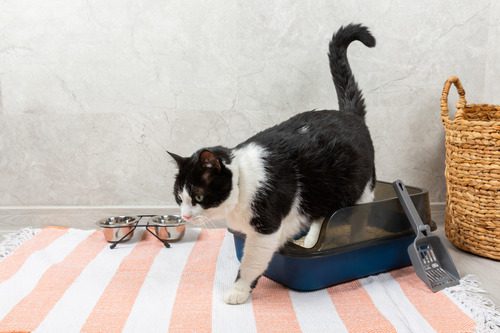
What Is Cystitis in Cats?
Cystitis in cats refers to inflammation of the bladder. It’s often used as a general term to describe a variety of lower urinary tract issues, especially when the cause isn’t immediately clear. The condition is frequently associated with feline lower urinary tract disease (FLUTD), which affects a cat’s bladder and urethra.
In many cases, cystitis is idiopathic—meaning the exact cause is unknown. This type is called feline idiopathic cystitis (FIC) and is particularly common in indoor cats. Whether the inflammation results from stress, diet, or another underlying issue, cystitis in cats can significantly affect their comfort and well-being, making it important to address promptly with veterinary care.
Common Signs of Cystitis in Cats
Cats tend to hide discomfort, so spotting the signs of cystitis can be tricky at first. Knowing what to look for can help you detect a problem early and bring your cat to the vet for care.
Frequent Urination or Litter Box Visits
One of the most noticeable signs of cystitis in cats is frequent trips to the litter box. Cats may strain to urinate or only produce small amounts at a time. You might also see them squatting in different areas around the house without producing much urine.
Urinating Outside the Litter Box
When urinating becomes uncomfortable or painful, cats may associate the litter box with that pain and try to go elsewhere. If your cat suddenly starts urinating on soft surfaces like bedding or rugs, this could be a sign of cystitis.
Blood in the Urine
Hematuria (blood in the urine) is another common symptom. It might be visible as a pink or red tinge or only detectable through urinalysis at the vet’s office.
Vocalizing or Crying
Pain during urination may lead your cat to vocalize, either in or around the litter box. Crying, especially if paired with straining, is a red flag that shouldn’t be ignored.
Lethargy and Irritability
Cats experiencing bladder inflammation may seem withdrawn or irritable. If your typically social cat is hiding more than usual or seems less interested in eating or playing, it may be related to urinary discomfort.
What Causes Cystitis in Cats?
Cystitis in cats can stem from several factors, but it often develops without a clear cause. However, some patterns and risk factors are well established.
Stress and Environmental Triggers
Stress is one of the most commonly recognized contributors to feline idiopathic cystitis. Changes in the household, such as a new pet, moving, or alterations to routine, can be enough to trigger symptoms in sensitive cats.
Diet and Water Intake
Cats that consume mostly dry food or don’t drink enough water are at higher risk for developing cystitis. Concentrated urine can irritate the bladder lining and contribute to inflammation.
Obesity and Inactivity
Overweight and sedentary cats are more likely to experience cystitis. A lack of physical activity may reduce bladder emptying, which can contribute to irritation.
Other Medical Conditions
Sometimes cystitis in cats is secondary to other issues, such as urinary tract infections, bladder stones, or even tumors. That’s why a veterinary evaluation is always important to rule out or treat underlying causes.
Diagnosing Cystitis in Cats
To determine whether your cat is experiencing cystitis, your veterinarian will start with a detailed health history and physical exam. From there, additional diagnostics may be recommended.
Urinalysis
A urine sample helps your veterinarian evaluate the concentration, pH, and presence of blood, bacteria, or crystals in the urine. This is a key step in diagnosing cystitis in cats.
Urine Culture
If bacteria are suspected, a urine culture can determine whether an infection is present and which antibiotics would be effective. This is particularly useful in ruling out infections that mimic cystitis.
Imaging Studies
X-rays or ultrasound may be used to check for bladder stones, thickened bladder walls, or other abnormalities. This helps rule out physical causes and provides a clearer picture of your cat’s urinary health.
How Cystitis in Cats Is Treated
Treatment depends on the cause and severity of the condition. For idiopathic cases, the goal is to manage symptoms and reduce the frequency of flare-ups.
Pain Management
Your veterinarian may prescribe medications to reduce inflammation and ease your cat’s discomfort. These help restore comfort and allow your cat to urinate more normally.
Environmental Enrichment
Reducing stress in your cat’s daily environment can have a major impact on symptom management. This includes providing hiding spots, toys, and consistent routines. Interactive play and elevated resting areas can help your cat feel more secure.
Diet Changes
Cats prone to cystitis may benefit from therapeutic diets that promote urinary tract health. These diets often help maintain optimal urine pH and encourage hydration. Always consult your vet before switching foods.
Increased Water Intake
Hydration helps flush the bladder and dilute the urine. Consider offering water fountains, adding water to your cat’s food, or feeding more canned food to support increased moisture intake.
Cystitis in Male Cats: A Special Concern
While both male and female cats can develop cystitis, male cats face a higher risk of life-threatening complications due to their narrower urethras. In some cases, inflammation and debris can lead to a complete urethral blockage.
Recognizing a Medical Emergency
A cat who is straining to urinate, not producing any urine, or showing signs of distress (panting, hiding, vomiting) may be experiencing a blockage. This is an emergency and requires immediate veterinary attention.
Prevention Strategies for Males
For male cats with a history of cystitis, your vet may recommend additional strategies such as prescription diets, increased water intake, and regular monitoring to reduce the risk of recurrence and blockage.
Supporting Your Cat’s Long-Term Urinary Health
If your cat has experienced cystitis, they may be prone to future flare-ups. With support from your veterinary team, you can help reduce those risks and keep your cat more comfortable over time.
- Regular Checkups: Routine veterinary visits are key. Monitoring your cat’s weight, diet, hydration, and behavior can help catch subtle changes early. Your vet can also evaluate urine samples to detect issues before they become serious.
- Stress Reduction: Reducing household stress benefits your cat’s entire well-being—not just their urinary health. Avoid sudden changes in routine and create a peaceful environment with plenty of stimulation and rest areas.
- Follow-Up Care: If your cat has been treated for cystitis, your vet may recommend follow-up appointments to check for recurring signs. Staying in close communication with your veterinary team helps ensure your cat stays on track.
Cystitis in cats is more than just a nuisance—it’s a condition that can deeply affect your cat’s comfort and behavior. If your cat is showing signs of urinary discomfort, don’t wait. Contact Buffalo Grove Animal Hospital at (847) 394-1128 or request an appointment online to have your cat evaluated. Our team is here to provide personalized care and help your cat feel better, faster.
Recent Posts
Essential Vaccinations Every Pet Should Have and Why
Essential Vaccinations Every Pet Should Have and Why Every pet owner asks at some point which shots…

Fun and Engaging Activities to Keep Your Pet Active and Happy
Fun and Engaging Activities to Keep Your Pet Active and Happy Every dog and cat needs regular…
The Benefits of Regular Vet Check-ups for Your Pet’s Health
The Benefits of Regular Vet Check-ups for Your Pet’s Health Most pet owners only think about a…
Symptoms and Causes of Lyme Disease in Dogs, How is It Treated?
Symptoms and Causes of Lyme Disease in Dogs, How is It Treated? Ticks are a fact of…

Tips for Protecting Your Pet from Fleas and Ticks
Tips for Protecting Your Pet from Fleas and Ticks Fleas and ticks are more than just an…
About Buffalo Grove Animal Hospital
Buffalo Grove Animal Hospital has been a part of the Buffalo Grove community since 1969. Our veterinarians serve Buffalo Grove, Arlington Heights, Palatine, and the surrounding areas with the best veterinary medicine year after year. Our commitment to pet health runs deep, and we’ve proven our skill and compassion by becoming an AAHA-accredited Animal Hospital, the highest accreditation veterinary practices can receive.