
Why Is My Dog’s Poop Black?
If your dog’s poop is black, it can be alarming to see and often raises questions about what is happening inside your dog’s body. In many cases, black stool points to changes in digestion or bleeding somewhere along the gastrointestinal tract, which is why this symptom should never be ignored. Understanding why a dog’s poop is black helps pet owners recognize when it may be time to reach out to a veterinarian for professional evaluation. Black stool can look tar-like, sticky, or unusually dark compared to normal brown feces. While occasional color changes may happen for minor reasons, a dog’s poop appearing black on more than one occasion often signals something more significant. Knowing what this color change can mean allows you to act promptly and seek guidance when needed.
What Does Black Dog Poop Mean?
When a dog poops black, veterinarians often refer to this as melena. Melena describes stool that turns black because it contains digested blood. This blood usually originates in the upper part of the gastrointestinal tract, such as the stomach or small intestine, and darkens as it passes through the digestive system. As a result, the stool takes on a tarry appearance and strong odor.
A dog’s poop does not always appear jet black at first. It may start as very dark brown before progressing to a deeper black color. Pet owners sometimes mistake this change for a normal variation, especially if their dog seems otherwise fine. However, even subtle shifts in stool color deserve attention, especially if they persist.
Because black stool often indicates internal bleeding, it is considered a red flag symptom. While the cause may range from mild irritation to more serious medical conditions, a dog’s poop appearing black should always prompt a conversation with your veterinarian.
How Normal Dog Stool Should Look
To recognize when a dog’s poop is black, it helps to understand what normal stool looks like. Healthy dog stool typically appears medium to dark brown, firm but not hard, and easy to pick up. The color comes from bile and normal digestive processes that break down food. Changes in diet can sometimes affect stool color slightly, but those changes usually remain within the brown spectrum. A dog’s poop turning black stands out clearly from normal stool and often looks shiny, sticky, or tar-like. This texture difference can be just as important as the color itself. If you routinely check your dog’s stool, you are more likely to catch changes early. Spotting this issue early and wondering, “Why is my dog’s poop black?” gives your veterinary team valuable information that can help them determine next steps.
Common Reasons a Dog’s Poop Is Black
Several underlying issues may cause a dog’s poop to turn black, ranging from digestive irritation to more serious internal conditions.
Gastrointestinal Bleeding
One of the most common answers to the question “Why is my dog’s poop black?” involves bleeding in the stomach or small intestine. As blood travels through the digestive tract, enzymes break it down and turn it dark. This process results in the black, tarry appearance associated with melena. Bleeding can occur due to ulcers, inflammation, or trauma within the gastrointestinal tract. Even small amounts of bleeding can change stool color significantly. When your dog’s poop appears black alongside symptoms like weakness, lethargy, or appetite changes, it may point to ongoing blood loss.
Stomach Ulcers and Irritation
Stomach ulcers can develop for various reasons, including stress on the digestive lining or reactions to certain medications. These ulcers may bleed slowly over time, leading to a dog’s poop to turn black rather than bright red blood. Ulcers do not always cause obvious pain at first. Some dogs continue acting normally while their stool changes. This makes black stool one of the earliest visible signs that something may be wrong internally.
Foreign Objects and Digestive Injury
Dogs sometimes swallow objects that irritate or damage the gastrointestinal tract. Sharp edges or rough materials can cause small internal injuries that bleed as they move through the system. When this bleeding occurs higher in the digestive tract, it can result in a dog’s poop turning black. Foreign material may not always cause immediate vomiting or discomfort. In some cases, stool changes provide the first clue that an internal issue exists.
Dietary Factors That May Darken Stool
While internal bleeding is a primary concern, some dietary factors can also make stool appear darker. It is still important to differentiate these from true cases of a dog’s poop turning black because of medical issues.
Certain Foods and Supplements
Some foods or supplements may temporarily darken stool color. High iron content, for example, can cause stool to look darker than usual. However, these changes often do not produce the tar-like texture associated with melena. If a dog’s poop appears black suddenly after a diet change, your veterinarian may ask detailed questions about recent food or supplement intake. Even so, dark stool linked to diet should resolve quickly once the food passes through the system.
Why Diet Alone Is Not Always the Answer
Although food can affect stool color, it rarely causes the deep black, sticky appearance seen with digested blood. For this reason, pet owners should avoid assuming diet is the only factor to consider when a dog’s poop turns black. Veterinary evaluation helps rule out more serious causes.
Other Health Conditions Linked to Black Stool
If you’ve asked yourself, “Why is my dog’s poop black?” this occurrence may also connect to underlying health conditions that affect digestion or blood clotting. These issues can interfere with normal gastrointestinal function and lead to bleeding.
Liver or Kidney Concerns
The liver and kidneys play key roles in filtering toxins and supporting digestion. When these organs do not function properly, dogs may experience gastrointestinal irritation or bleeding. In some cases, this results in a dog’s poop turning black alongside other signs like increased thirst or changes in energy levels.
Tumors or Growths
Growths within the gastrointestinal tract can bleed intermittently. Because the bleeding may occur slowly, the only visible sign at first may be a dog’s poop turning black. These cases often require diagnostic imaging and further testing to identify the underlying cause.
Why Monitoring Stool Changes Matters
Paying attention to stool quality offers valuable insight into your dog’s health. A dog’s poop turning black often appears before other symptoms become obvious. This makes early detection especially important. Changes in stool color, texture, or frequency can help veterinarians piece together what may be happening internally. Providing details about when the color change started and how often it occurs helps guide diagnostic decisions. If you find yourself wondering, “Why is my dog’s poop black?” more than once, or if it appears alongside vomiting, lethargy, or appetite changes, contacting your veterinary team promptly supports timely care.
When to Contact Your Buffalo Grove Veterinarian
Because a dog’s poop turning black often indicates digested blood, it warrants professional attention. While one isolated episode may not always signal an emergency, repeated black stool should never be ignored. At Buffalo Grove Animal Hospital, our team evaluates stool changes carefully and considers the full picture of your dog’s health. Diagnostic testing may be recommended to identify the cause and determine appropriate next steps. If you notice your dog’s poop turning black, call (847) 394-1128 or request an appointment to discuss what you are seeing. Sharing clear observations helps your veterinarian provide informed guidance.
Why Ongoing Monitoring and Veterinary Care Are Important
If you’re wondering, “Why is my dog’s poop black?”, you are not alone in navigating this concern. Veterinary teams approach stool changes with experience and compassion, focusing on identifying the cause and supporting your dog’s overall health. By staying observant and proactive, you help your dog receive timely attention when something changes. Stool color may seem like a small detail, but it often provides important insight into internal health. If you have questions or concerns about a dog’s poop appearing black, the team at Buffalo Grove Animal Hospital in Buffalo Grove, IL is here to help. Call (847) 394-1128 or request an appointment to talk through what you are noticing and take the next step together.
Recent Posts
Essential Vaccinations Every Pet Should Have and Why
Essential Vaccinations Every Pet Should Have and Why Every pet owner asks at some point which shots…

Fun and Engaging Activities to Keep Your Pet Active and Happy
Fun and Engaging Activities to Keep Your Pet Active and Happy Every dog and cat needs regular…
The Benefits of Regular Vet Check-ups for Your Pet’s Health
The Benefits of Regular Vet Check-ups for Your Pet’s Health Most pet owners only think about a…
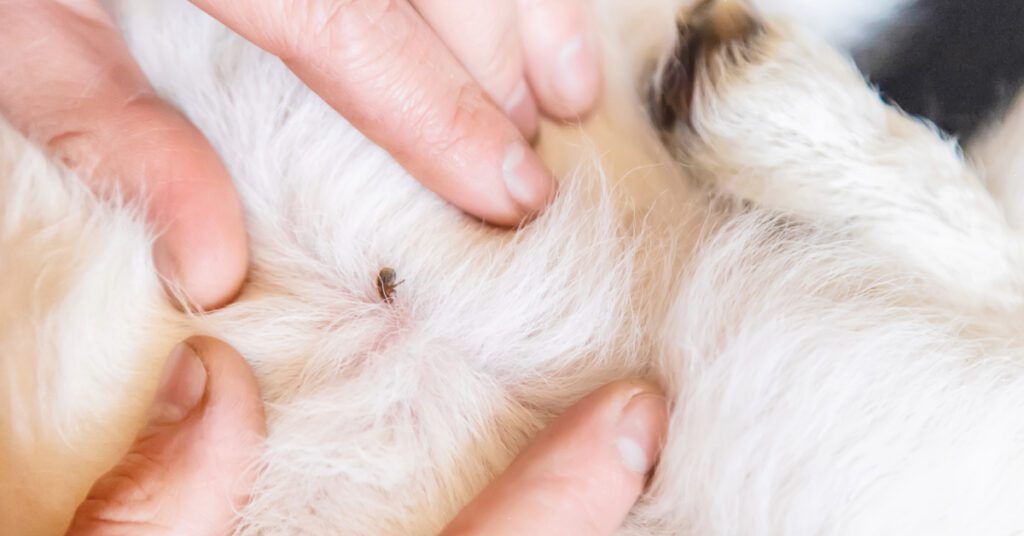
Symptoms and Causes of Lyme Disease in Dogs, How is It Treated?
Symptoms and Causes of Lyme Disease in Dogs, How is It Treated? Ticks are a fact of…
Tips for Protecting Your Pet from Fleas and Ticks
Tips for Protecting Your Pet from Fleas and Ticks Fleas and ticks are more than just an…
About Buffalo Grove Animal Hospital
Buffalo Grove Animal Hospital has been a part of the Buffalo Grove community since 1969. Our veterinarians serve Buffalo Grove, Arlington Heights, Palatine, and the surrounding areas with the best veterinary medicine year after year. Our commitment to pet health runs deep, and we’ve proven our skill and compassion by becoming an AAHA-accredited Animal Hospital, the highest accreditation veterinary practices can receive.