
Excessive Panting in Dogs: When to Call a Vet
Excessive panting in dogs often means it’s time to call your veterinarian when the breathing seems heavier, faster, or more persistent than normal and does not match your dog’s activity level or surroundings. While panting helps dogs cool themselves and respond to excitement, ongoing or unexplained changes in breathing can leave pet owners unsure how concerned to be. This blog will help you understand what excessive panting in dogs looks like, why it happens, and when it signals a need for veterinary care, so you can feel more confident about recognizing changes and knowing when to reach out for professional guidance from Buffalo Grove Animal Hospital.
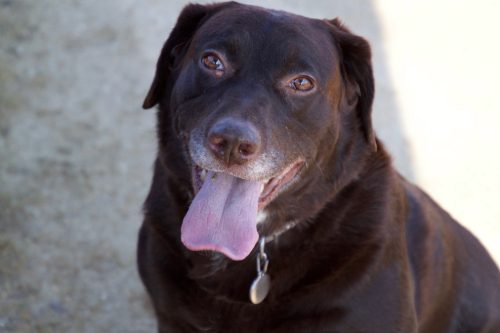
What Counts as Excessive Panting in Dogs?
Excessive panting in dogs goes beyond what most owners expect after a walk, playtime, or warm weather exposure. Normal panting usually slows once a dog rests, drinks water, or cools down. Excessive panting often continues even when those factors are no longer present. It may appear heavier, louder, or more labored than usual, drawing attention because it feels out of character for your dog. Many pet owners describe excessive panting in dogs as persistent or sudden, especially when paired with restlessness or visible discomfort. Recognizing these differences helps owners better understand when panting no longer fits within normal expectations.
Normal Panting vs. Concerning Changes
Dogs pant for many everyday reasons, including excitement, exercise, and temperature regulation. Normal panting typically matches the situation and resolves fairly quickly. Excessive panting often appears without an obvious trigger or lasts longer than expected. The breathing may seem faster than normal or occur while the dog is lying still. Some dogs with excessive panting appear unable to settle or relax, which can make the change feel more concerning to their owners.
Common Situations That Lead to Excessive Panting in Dogs
Excessive panting in dogs can develop for a wide range of reasons, and not all of them involve emergencies. Environmental factors, emotional responses, and physical changes can all influence breathing patterns. Understanding common triggers allows pet owners to notice patterns and communicate observations clearly during veterinary visits. Even when excessive panting starts in familiar situations, persistence or escalation may warrant professional attention.
Heat, Humidity, and Seasonal Changes
Warm weather remains one of the most frequent contributors to excessive panting in dogs. Dogs cool themselves primarily through panting, so higher temperatures naturally increase breathing rates. Excessive panting may become more noticeable during summer months or in poorly ventilated spaces. Humidity can also intensify panting because moisture in the air slows the cooling process. While seasonal changes explain some cases, excessive panting that continues indoors or overnight deserves closer attention.
Stress, Fear, and Emotional Triggers
Emotional responses frequently affect breathing patterns. Stressful events such as thunderstorms, fireworks, travel, or unfamiliar environments can lead to excessive panting. In these situations, panting may occur alongside pacing, whining, or clingy behavior. Some dogs experience excessive panting due to anxiety that builds gradually rather than appearing suddenly. Noticing emotional triggers helps pet owners recognize when panting may relate to stress rather than physical exertion.
Health-Related Factors Linked to Excessive Panting in Dogs
When excessive panting does not match environmental or emotional factors, underlying health concerns may play a role. Dogs often express discomfort through changes in breathing, making panting an important observation for veterinarians. Excessive panting in dogs can appear as an early sign of internal strain, especially when it shows up alongside changes in appetite, mobility, or behavior. While panting alone does not confirm a diagnosis, patterns over time provide valuable context.
Pain and Physical Discomfort
Pain commonly affects breathing patterns in dogs. Excessive panting may occur when a dog experiences joint pain, abdominal discomfort, or internal inflammation. Dogs cannot explain pain directly, so panting often becomes part of their response. Some dogs with excessive panting also show stiffness, reluctance to move, or changes in posture. Recognizing panting as a possible indicator of discomfort helps owners understand why veterinary input matters.
Medical Conditions That May Influence Breathing
Certain medical conditions affect how efficiently a dog’s body functions, which can result in excessive panting in dogs. Heart disease, respiratory conditions, and hormonal imbalances sometimes change oxygen delivery or metabolic demands. Excessive panting may also appear alongside coughing, lethargy, or exercise intolerance. While panting alone does not identify a condition, ongoing excessive panting in dogs often signals the need for further evaluation.
Breed, Age, and Physical Traits
Not all dogs experience excessive panting the same way. Breed characteristics, age, and body structure influence how dogs breathe and cool themselves.
Brachycephalic Breeds and Panting
Flat-faced breeds such as Bulldogs, Pugs, and Boxers naturally work harder to breathe. Excessive panting in dogs from these breeds may appear sooner and last longer, especially during warm weather or excitement. Their airway structure limits airflow, making panting less efficient. Because excessive panting in dogs from brachycephalic breeds can escalate quickly, owners often notice changes earlier than with other breeds.
Senior Dogs and Age-Related Changes
As dogs age, their bodies respond differently to activity, temperature, and stress. Excessive panting becomes more common in senior pets due to age-related changes in heart, lung, or metabolic function. Older dogs may also experience discomfort from arthritis or other chronic conditions, which can contribute to excessive panting in dogs. Monitoring changes over time becomes especially important for aging pets.
When Excessive Panting in Dogs Becomes a Reason to Call
Excessive panting deserves attention when it feels out of proportion to the situation or continues without improvement. While occasional panting fits normal behavior, patterns that repeat or worsen often prompt concern. Knowing when to call allows pet owners to act confidently rather than second-guessing themselves.
Signs That Warrant Veterinary Attention
Pet owners often notice additional changes alongside excessive panting in dogs. These signs may include restlessness, weakness, coughing, changes in gum color, or reduced interest in food. Excessive panting in dogs that appears suddenly, especially at rest, often raises red flags. Trusting your instincts matters because owners know what feels normal for their own dog.
Why Timing Matters
Early communication with your veterinarian helps provide clarity and peace of mind. Excessive panting sometimes reflects conditions that respond better when identified sooner rather than later. Sharing details about onset, duration, and associated behaviors helps your veterinary team evaluate the situation more effectively. Even when outcomes are reassuring, addressing excessive panting in dogs promptly reduces uncertainty.
What to Expect During a Veterinary Visit
When you contact Buffalo Grove Animal Hospital, our team focuses on understanding the full picture behind excessive panting in dogs. Veterinary visits with our team emphasize listening to owner observations and assessing overall health rather than addressing panting in isolation. Knowing what typically happens during an evaluation can help pet owners feel prepared and informed.
Gathering History and Observations
Veterinarians begin by discussing when excessive panting in dogs started and how often it occurs. They may ask about recent activity, environmental changes, or behavioral shifts. Details about duration, triggers, and accompanying signs help narrow possibilities. Your observations about excessive panting in dogs provide essential context that guides next steps.
Physical Exams and Diagnostic Insight
A thorough physical exam helps identify areas of concern. Your veterinarian evaluates heart and lung sounds, temperature, and overall comfort level. Depending on findings, diagnostic testing may help clarify why excessive panting in dogs is occurring. Each step focuses on understanding the underlying cause rather than the symptom alone.
Supporting Your Dog Through Awareness and Action
Excessive panting in dogs often serves as an early signal that something feels different. Paying attention to breathing patterns allows pet owners to advocate effectively for their dog’s health. Consistent observation builds confidence in recognizing when panting aligns with normal activity and when it feels unusual. Excessive panting does not always indicate a serious issue, but it always provides information worth noting.
If you notice excessive panting in dogs that concerns you, our team at Buffalo Grove Animal Hospital is available to help answer questions and provide guidance. Calling (847) 394-1128 or requesting an appointment allows you to discuss what you are seeing and determine appropriate next steps. Staying attentive to changes and reaching out when something feels off supports your dog’s comfort and overall quality of life.
Recent Posts
Essential Vaccinations Every Pet Should Have and Why
Essential Vaccinations Every Pet Should Have and Why Every pet owner asks at some point which shots…
Fun and Engaging Activities to Keep Your Pet Active and Happy
Fun and Engaging Activities to Keep Your Pet Active and Happy Every dog and cat needs regular…
The Benefits of Regular Vet Check-ups for Your Pet’s Health
The Benefits of Regular Vet Check-ups for Your Pet’s Health Most pet owners only think about a…
Symptoms and Causes of Lyme Disease in Dogs, How is It Treated?
Symptoms and Causes of Lyme Disease in Dogs, How is It Treated? Ticks are a fact of…
Tips for Protecting Your Pet from Fleas and Ticks
Tips for Protecting Your Pet from Fleas and Ticks Fleas and ticks are more than just an…
About Buffalo Grove Animal Hospital
Buffalo Grove Animal Hospital has been a part of the Buffalo Grove community since 1969. Our veterinarians serve Buffalo Grove, Arlington Heights, Palatine, and the surrounding areas with the best veterinary medicine year after year. Our commitment to pet health runs deep, and we’ve proven our skill and compassion by becoming an AAHA-accredited Animal Hospital, the highest accreditation veterinary practices can receive.