
Signs and Treatment for a Pulled Muscle in a Dog
A pulled muscle in a dog often shows up as sudden limping, stiffness, or reluctance to move, and it usually happens after overexertion, rough play, or an awkward movement. While a pulled muscle in a dog may sound minor, it can cause real discomfort and may worsen without proper veterinary evaluation and care. If your dog seems “off” after activity, this blog walks you through what a pulled muscle in a dog looks like, how veterinarians diagnose it, and how professional treatment supports healing. Understanding the signs early can help you decide when it’s time to call your veterinarian.
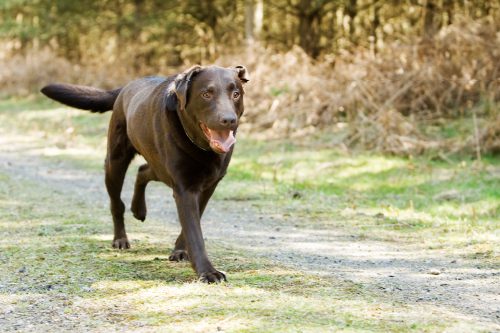
What Is a Pulled Muscle in a Dog?
A pulled muscle in a dog, also called a muscle strain, occurs when muscle fibers stretch too far or tear due to sudden force or repetitive stress. Dogs rely heavily on their muscles for movement, balance, and stability, so even a mild strain can affect how they walk, run, or rest. A pulled muscle in a dog may involve the legs, shoulders, hips, back, or neck, depending on the activity that caused the injury.
Muscle strains can range from mild overstretching to more significant tearing of muscle fibers. Some dogs show immediate signs, while others develop symptoms gradually over the next day or two. Active dogs, athletic breeds, and dogs that enjoy jumping or rough play often experience pulled muscles, but any dog can be affected. Age, fitness level, and underlying joint or orthopedic issues may also increase risk.
Because muscle injuries share symptoms with ligament injuries, joint disease, and neurological conditions, a pulled muscle in a dog should always be evaluated by your veterinarian. Identifying the source of pain matters, since treatment plans vary depending on the type and severity of the injury.
Common Signs of a Pulled Muscle in a Dog
A pulled muscle in a dog does not always look dramatic, especially in the early stages. Some dogs try to push through discomfort, while others become noticeably guarded or withdrawn. Watching for subtle changes in movement and behavior can provide early clues.
Limping and Changes in Gait
Limping is one of the most common signs of a pulled muscle in a dog. Your dog may favor one leg, walk more slowly, or appear stiff when getting up from rest. Some dogs limp only during certain activities, such as climbing stairs or jumping into the car. Others may walk normally at first and worsen with movement as the muscle becomes fatigued. A pulled muscle in a dog can also cause uneven strides, shortened steps, or hesitation to put weight on a limb. These changes may come and go, which sometimes leads pet owners to delay scheduling a visit. Any persistent or recurring limp deserves veterinary attention.
Pain, Sensitivity, or Guarding
Dogs with a pulled muscle often react when the affected area is touched or moved. They may flinch, tense up, vocalize, or turn their head toward the area. Some dogs avoid being handled altogether, especially if the injury involves the back or shoulders. Muscle pain may also cause guarding behaviors. Your dog might keep a limb tucked close, avoid stretching, or lie in unusual positions to reduce discomfort. These behaviors suggest pain, even if limping is mild.
Stiffness and Reduced Mobility
Stiffness is another hallmark of a pulled muscle in a dog. You may notice difficulty standing up, reluctance to climb stairs, or hesitation before jumping. Stiffness often appears worse after rest and improves slightly with gentle movement, though activity may also aggravate the injury. In some cases, stiffness affects the neck or back rather than the legs. Dogs may resist turning their head, bending down to eat, or lowering themselves to lie down. These signs can indicate muscle strain in less obvious areas.
Behavioral Changes
Pain from a pulled muscle can affect mood and behavior. Some dogs become quieter, less playful, or more irritable. Others may withdraw from family interactions or avoid activities they usually enjoy. Changes in appetite or sleep patterns may also occur. While these signs are not specific to a pulled muscle, they often accompany discomfort and should not be ignored.
How a Veterinarian Diagnoses a Pulled Muscle in a Dog
Because many conditions mimic the signs of a pulled muscle, a thorough veterinary exam is essential. Diagnosis focuses on identifying the injured structure and ruling out more serious problems.
Physical Examination and History
Your veterinarian will begin by discussing when symptoms started, what activities your dog participated in, and how the signs have changed. This history provides valuable clues about whether a pulled muscle is likely. During the physical exam, your veterinarian assesses posture, gait, muscle tone, and joint movement. Gentle palpation helps identify areas of pain, swelling, or tension. The exam also checks reflexes and range of motion to rule out nerve or joint involvement.
Imaging and Additional Testing
In some cases, imaging studies help confirm a pulled muscle in a dog or exclude other injuries. X-rays may be recommended to evaluate bones and joints, especially if trauma occurred. While muscles do not appear clearly on X-rays, the images help rule out fractures or arthritis. More advanced imaging, such as ultrasound or other diagnostic tools, may be used if symptoms persist or if the injury appears complex. These tools allow veterinarians to evaluate soft tissues more closely and tailor treatment accordingly.
Professional Treatment Options for a Pulled Muscle
Treatment for a pulled muscle in a dog depends on the severity, location, and overall health of your pet. Veterinary care focuses on pain management, controlled healing, and preventing further injury.
Activity Management and Monitoring
Veterinarians often recommend structured activity modification for a pulled muscle in a dog. This approach limits movements that strain the injured muscle while allowing safe, controlled motion. Clear guidance helps prevent setbacks during recovery. Regular rechecks allow your veterinary team to monitor progress and adjust recommendations as healing occurs. Even mild muscle injuries benefit from professional oversight, as returning to normal activity too quickly may worsen the strain.
Medications and Supportive Care
Prescription medications may be used to address inflammation and discomfort associated with a pulled muscle in a dog. These medications are selected based on your dog’s size, age, and medical history. Your veterinarian provides specific dosing instructions and monitors for side effects. Supportive therapies, offered under veterinary supervision, may also be part of the treatment plan. The goal is to support comfort while the muscle heals and to reduce the risk of reinjury.
Rehabilitation and Follow-Up
Some dogs benefit from rehabilitation services after a pulled muscle. These programs focus on restoring strength, flexibility, and coordination over time. Your veterinarian determines whether rehabilitation fits your dog’s needs and when it is appropriate to begin. Follow-up appointments ensure that healing stays on track. If progress stalls or new symptoms appear, your veterinarian can reassess and adjust the plan.
How Long Does Recovery Take?
Recovery time for a pulled muscle in a dog varies widely. Mild strains may improve within a few weeks, while more significant injuries require longer periods of restricted activity and monitoring. Factors such as age, fitness level, and whether other orthopedic issues exist influence healing.
Consistency plays a large role in recovery. Following veterinary recommendations closely supports steady improvement and reduces the chance of chronic pain or repeat injury. Even when your dog appears better, full muscle healing may still be underway.
When to Call Your Vet for a Pulled Muscle in a Dog
Not every limp means an emergency, but certain signs warrant prompt veterinary evaluation. If you suspect a pulled muscle in a dog and notice worsening pain, persistent limping, swelling, or behavioral changes, contacting your veterinarian is the right next step. Dogs that refuse to bear weight, cry out in pain, or show signs of weakness should be seen promptly. Early evaluation helps rule out more serious injuries and allows treatment to begin before complications develop.
Support for Dogs Recovering from Muscle Injuries
A pulled muscle in a dog can disrupt daily routines and limit mobility, which often feels stressful for both pets and owners. Veterinary guidance provides clarity during this period and helps you understand what changes are normal during recovery. Clear communication, scheduled follow-ups, and professional oversight create a structured path forward. With proper care, most dogs recover well and return to their usual activities over time.
Partnering With Buffalo Grove Animal Hospital for Your Dog’s Care
If you believe your dog may have a pulled muscle or you notice changes in movement, our team at Buffalo Grove Animal Hospital is here to help. Our veterinarians provide thorough evaluations, clear explanations, and individualized treatment plans for muscle injuries and other mobility concerns. If you have questions or would like to schedule an appointment, call (847) 394-1128 or request an appointment online. Prompt care supports comfort, recovery, and a safe return to your dog’s normal routine.
Recent Posts
Essential Vaccinations Every Pet Should Have and Why
Essential Vaccinations Every Pet Should Have and Why Every pet owner asks at some point which shots…
Fun and Engaging Activities to Keep Your Pet Active and Happy
Fun and Engaging Activities to Keep Your Pet Active and Happy Every dog and cat needs regular…
The Benefits of Regular Vet Check-ups for Your Pet’s Health
The Benefits of Regular Vet Check-ups for Your Pet’s Health Most pet owners only think about a…
Symptoms and Causes of Lyme Disease in Dogs, How is It Treated?
Symptoms and Causes of Lyme Disease in Dogs, How is It Treated? Ticks are a fact of…
Tips for Protecting Your Pet from Fleas and Ticks
Tips for Protecting Your Pet from Fleas and Ticks Fleas and ticks are more than just an…
About Buffalo Grove Animal Hospital
Buffalo Grove Animal Hospital has been a part of the Buffalo Grove community since 1969. Our veterinarians serve Buffalo Grove, Arlington Heights, Palatine, and the surrounding areas with the best veterinary medicine year after year. Our commitment to pet health runs deep, and we’ve proven our skill and compassion by becoming an AAHA-accredited Animal Hospital, the highest accreditation veterinary practices can receive.