
Why Is My Cat Grooming Me?
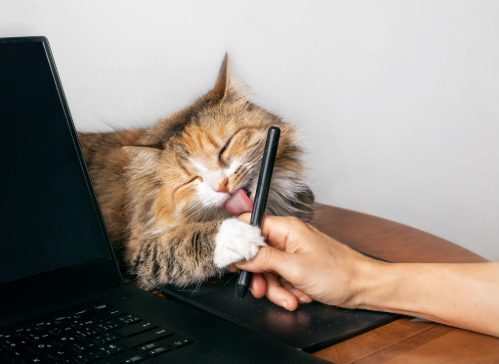
If you have ever wondered, “Why is my cat grooming me?”, you are not alone. In most cases, this behavior reflects communication, trust, and social bonding rather than random affection. When a cat licks your hand, arm, or even your hair, they are using a natural feline behavior to interact with you in a meaningful way.
Understanding why your cat is grooming you can help you better interpret your cat’s behavior and recognize what they may be trying to communicate. This habit often surprises pet owners, especially when it feels similar to how cats groom themselves or other cats. While it can feel endearing, it can also raise questions about boundaries, health, and social signals. Learning the reasons behind this behavior helps you respond with confidence and clarity.
You may notice this grooming behavior appears during quiet moments, while relaxing together, or after you pet your cat. These patterns provide important clues. By exploring the question of why your cat is grooming you, you can gain insight into feline instincts, social structures, and emotional connections.
Why Is My Cat Grooming Me?
Cats groom as part of their daily routine, but grooming a human has deeper meaning. When asking, “Why is my cat grooming me?”, it helps to understand how grooming functions in feline social behavior. Grooming is not limited to cleanliness. It also builds relationships, reduces tension, and reinforces trust within a social group.
Grooming as a Natural Feline Behavior
Grooming serves multiple purposes in a cat’s life beyond hygiene. Cats use grooming to calm themselves, maintain familiarity within their environment, and communicate comfort. When a cat grooms you, they are often extending this instinctive behavior to a trusted companion.
Trust and Comfort With Their Human
When your cat grooms you, they often view you as part of their trusted circle. Cats rely on scent, touch, and repeated interactions to define social bonds. Grooming allows them to share scent and reinforce familiarity. This behavior mirrors how cats groom littermates or bonded companions.
Grooming During Calm, Relaxed Moments
Another reason why your cat is grooming you relates to comfort. Cats tend to groom when they feel relaxed or content. If your cat chooses to groom you during calm moments, it often signals they feel secure in your presence. This behavior reflects emotional connection rather than dominance or obligation.
Grooming as a Sign of Social Bonding
Social grooming, also called allogrooming, plays a significant role in feline relationships. To understand the question “Why is my cat grooming me?”, it helps to look at how cats interact with each other in multi-cat households.
How Cats Groom Each Other
Cats groom those they trust. This behavior starts early in life, as mother cats groom kittens to keep them clean and calm. As cats mature, they continue grooming behaviors with cats they feel bonded to. When a cat grooms a person, they may be extending this instinctive behavior to a human companion.
Strengthening Social Bonds Through Grooming
Grooming also helps strengthen social ties. Repeated grooming interactions reinforce familiarity and safety. If you notice your cat grooming you regularly, it often means they recognize you as a stable and trusted presence. This is one of the most common explanations for the question “Why is my cat grooming me?”.
Grooming as a Way to Seek Interaction
Cats may also groom to initiate interaction. Grooming can serve as a gentle way to seek attention or closeness. If your cat begins grooming you and then settles nearby, this behavior reflects a desire for connection rather than play or food.
Why Is My Cat Grooming Me and Then Biting?
Some pet owners notice grooming followed by a gentle nip or bite. When asking why your cat is grooming you and then changing behavior, context matters. This pattern often reflects overstimulation rather than aggression.
Overstimulation During Grooming
Cats have sensitive nerve endings in their skin. Repeated grooming motions or prolonged contact can overwhelm these nerves. When this happens, a cat may signal discomfort through subtle cues before biting. If your cat grooms you and then bites, they may be communicating that they need space. This behavior does not negate the affectionate intent of grooming. Instead, it reflects a boundary being reached. Recognizing body language, such as tail flicking or ear movement, can help you understand why your cat is grooming you and when they are ready to stop.
Mixed Signals and Feline Communication
Cats rely heavily on physical signals. Grooming followed by biting can act as a form of communication. In feline interactions, grooming can transition into playful or corrective behavior. When directed at humans, this instinct may still surface. Understanding why your cat is grooming you and then biting helps prevent confusion. It also reinforces the importance of respecting your cat’s comfort levels during close interactions.
Grooming and Scent Marking Behavior
Scent plays a central role in how cats perceive their environment. One explanation for the question “Why is my cat grooming me?” involves scent exchange.
How Grooming Transfers Scent
Cats have scent glands in their mouths and faces, and grooming transfers scent onto the groomed individual. By grooming you, your cat may be marking you as familiar. This scent-sharing behavior helps cats feel secure and reinforces their understanding of who belongs in their environment.
Grooming as Emotional Reassurance
Scent marking through grooming can also help reduce anxiety. Familiar scents offer reassurance. If your cat grooms you during stressful times or changes in routine, this behavior may help them maintain a sense of stability. This connection offers another meaningful reason why your cat is grooming you.
Why Is My Cat Grooming Me More Than Usual?
Changes in grooming frequency often prompt concern. If you find yourself asking, “Why is my cat grooming me more often than before?”, it may reflect emotional or environmental changes rather than physical issues.
Changes in Routine or Environment
Cats respond to changes in routine, household dynamics, or stress levels. Increased grooming can serve as a coping mechanism. Grooming behaviors help cats self-soothe and regain a sense of control. When directed at a trusted person, this grooming can extend to humans.
Increased Time Together
Increased attention toward you may also reflect shifts in your availability. If your schedule has changed and you are spending more time together, your cat may simply be expressing that bond more frequently. Understanding why your cat is grooming you in this context helps normalize the behavior.
Is Grooming a Sign of Affection or Dependence?
Many pet owners associate grooming with affection, and in many cases, that interpretation is accurate. Asking “Why is my cat grooming me?” often leads back to emotional connection.
Grooming as an Expression of Affection
Cats form attachments differently than dogs, but they still develop strong social bonds. Grooming serves as a quiet, deliberate way to express closeness. This behavior often appears when a cat feels relaxed and safe.
Grooming Does Not Mean Dependence
However, grooming does not always signal dependence. Instead, it reflects mutual trust. Cats choose when and whom they groom. This voluntary behavior highlights autonomy rather than reliance.
When Grooming Becomes a Behavioral Concern
While grooming usually reflects positive interaction, excessive or sudden changes may warrant attention. If grooming becomes persistent or intense, it can signal stress or discomfort.
Noticing Changes in Grooming Patterns
Asking “Why is my cat grooming me?” in these cases helps prompt observation rather than immediate concern. Behavioral changes often coincide with environmental shifts, such as new pets, changes in household members, or altered routines.
When to Seek Professional Insight
Monitoring patterns helps identify potential triggers. Although grooming itself rarely signals a medical issue, significant changes in behavior should be discussed with a veterinary professional.
Talking With Your Veterinarian About Grooming Behavior
Understanding feline behavior benefits from professional insight. If you find yourself repeatedly asking, “Why is my cat grooming me?”, your veterinary team can help interpret behavior within the context of your cat’s overall health and environment. At Buffalo Grove Animal Hospital in Buffalo Grove, IL, our veterinary team regularly discusses behavior-related questions with cat owners. These conversations help identify patterns, reduce uncertainty, and support long-term well-being. If grooming behavior changes suddenly, becomes excessive, or coincides with other behavioral shifts, scheduling a visit allows for a thorough discussion. Call (847) 394-1128 or request an appointment to talk through your concerns and gain clarity.
Recent Posts
Essential Vaccinations Every Pet Should Have and Why
Essential Vaccinations Every Pet Should Have and Why Every pet owner asks at some point which shots…
Fun and Engaging Activities to Keep Your Pet Active and Happy
Fun and Engaging Activities to Keep Your Pet Active and Happy Every dog and cat needs regular…
The Benefits of Regular Vet Check-ups for Your Pet’s Health
The Benefits of Regular Vet Check-ups for Your Pet’s Health Most pet owners only think about a…
Symptoms and Causes of Lyme Disease in Dogs, How is It Treated?
Symptoms and Causes of Lyme Disease in Dogs, How is It Treated? Ticks are a fact of…
Tips for Protecting Your Pet from Fleas and Ticks
Tips for Protecting Your Pet from Fleas and Ticks Fleas and ticks are more than just an…
About Buffalo Grove Animal Hospital
Buffalo Grove Animal Hospital has been a part of the Buffalo Grove community since 1969. Our veterinarians serve Buffalo Grove, Arlington Heights, Palatine, and the surrounding areas with the best veterinary medicine year after year. Our commitment to pet health runs deep, and we’ve proven our skill and compassion by becoming an AAHA-accredited Animal Hospital, the highest accreditation veterinary practices can receive.