
Zoomies in Cats: Why Do Cats Get the Zoomies
If you’ve ever watched your cat suddenly burst into a high-speed dash around the house, you’ve witnessed what pet owners affectionately call the “zoomies.” Zoomies in cats are a quirky, often hilarious behavior that many felines display at random times—usually involving sudden sprints, abrupt changes in direction, and wide-eyed expressions. While it might look chaotic, there’s actually a reason behind this energetic outburst. In this blog, we’re taking a closer look at zoomies in cats—what they are, what triggers them, and when you should pay closer attention. Keep reading to learn why your cat channels its inner race car and what it might mean for their health or environment.
What Are Zoomies in Cats?
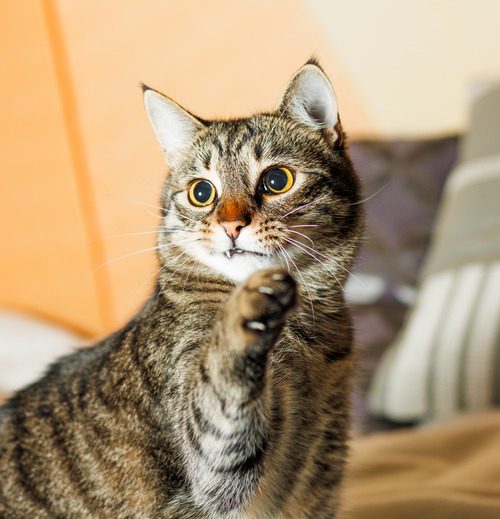
Zoomies in cats—also known as FRAPs (Frenetic Random Activity Periods)—are spontaneous bursts of energy that result in sudden running, jumping, and pouncing. These episodes usually don’t last long but can be incredibly intense. During a zoomie session, your cat may dart from room to room, leap onto furniture, or chase after invisible prey. This behavior is entirely natural and typically reflects a cat’s instinctual need to release built-up energy. In many cases, zoomies are simply a sign that your cat is feeling playful and physically well. However, depending on when and how frequently zoomies occur, they can also reveal underlying needs or issues in your cat’s daily routine.
What Are Some Common Triggers Behind Zoomies in Cats?
Zoomies in cats often seem random, but several patterns and triggers can explain why they happen. Here’s a closer look at some of the most common causes.
Pent-Up Energy
Indoor cats, in particular, don’t always get enough stimulation throughout the day. Without regular opportunities to run, jump, and explore, cats may build up excess energy that eventually comes out all at once. Zoomies provide an outlet for your cat to physically engage and burn off that energy in a short, powerful burst.
Hunting Instincts
Even though your housecat isn’t stalking prey in the wild, their natural hunting instincts are still very much alive. Zoomies in cats can mimic chase-and-capture behavior, especially if the zoomie session ends with a pounce on a toy or quick reaction to movement. This instinctual drive is often more active in the evening or early morning—times that mimic natural hunting hours for cats.
Post-Litterbox Euphoria
Many cat owners notice that zoomies occur right after a trip to the litterbox. While this might seem strange, it’s fairly common. One explanation is that your cat feels relieved and refreshed after a successful bathroom break. Another theory is that this behavior helps cats feel safer by quickly distancing themselves from the scent of their waste, especially if they feel exposed or vulnerable while in the litterbox.
Response to Stress or Anxiety
Although zoomies are usually fun and harmless, they can sometimes be linked to stress or anxiety. If your cat is startled or overwhelmed, zoomies may act as a way to discharge nervous energy. For example, sudden loud noises, unfamiliar guests, or changes in the home environment could trigger this kind of high-speed escape response.
When Do Zoomies in Cats Typically Happen?
While zoomies in cats can happen at any time, certain parts of the day or specific routines often trigger this behavior more than others.
Late Night or Early Morning
Many cat owners find that their cats go wild just before bedtime or during the early hours of the morning. This behavior is linked to your cat’s crepuscular nature, meaning they’re most active at dawn and dusk. These are prime hours for zoomies, especially if your cat has napped most of the day and suddenly has the urge to move.
After Grooming or Bathing
Some cats will launch into a zoomie session after a grooming session or bath. This might be a way to dry off quickly or release nervous energy. Grooming can also be overstimulating for some cats, so zoomies could be a self-soothing behavior.
Following a Meal
Occasionally, cats get the zoomies right after eating. This could be the result of increased energy levels or simply a sign that they’re feeling content. However, if this behavior is accompanied by vomiting or excessive vocalization, it’s worth discussing with your veterinarian to rule out digestive issues.
Are Zoomies in Cats Ever a Cause for Concern?
Most of the time, zoomies are normal and healthy for cats. They allow your cat to express energy, practice instinctual behaviors, and stay agile. However, there are situations where frequent or intense zoomies could be worth a closer look.
Excessive Zoomies
If your cat has zoomies multiple times a day, especially if they seem agitated or aggressive during them, it could point to a need for more stimulation. Consider whether your cat has enough toys, climbing opportunities, or human interaction during the day. Cats left alone for long stretches may overcompensate with intense bursts of energy later.
Signs of Discomfort or Pain
Zoomies that occur after using the litterbox could signal more than just euphoria. If your cat runs away frantically, vocalizes during elimination, or strains in the litterbox, they could be experiencing pain or discomfort. Conditions like constipation, urinary tract infections, or anal gland issues could be to blame. It’s best to schedule a veterinary exam in these cases.
Behavioral Changes
If zoomies suddenly become more frequent or your cat’s overall behavior changes—such as hiding more, vocalizing excessively, or showing signs of stress—this could indicate an underlying health or emotional issue. Cats are skilled at masking illness, so a sudden increase in erratic behavior might be their way of expressing discomfort.
How to Support Healthy Zoomies in Cats
If zoomies in cats are a regular part of your household, there are ways to support your cat’s need for activity while keeping their environment safe and stimulating.
- Encourage Daily Play: Cats benefit from interactive play sessions with wand toys, balls, and even puzzle feeders. These activities help channel your cat’s energy and simulate the hunt-chase-pounce cycle they instinctively crave. Aim for two 10–15 minute sessions per day to help reduce over-the-top zoomie behavior.
- Create an Engaging Environment: Offer your cat access to vertical spaces like cat trees, shelves, or window perches. These not only provide enrichment but also help your cat burn energy throughout the day. Rotating toys and hiding treats around the house can also encourage movement and mental stimulation.
- Stick to a Consistent Routine: Cats thrive on predictability. Establishing consistent mealtimes, playtimes, and bedtime routines can help reduce the likelihood of stress-related zoomies. A stable daily rhythm helps cats feel secure and less prone to erratic outbursts of energy.
- Make Your Home Zoomie-Safe: Zoomies can sometimes lead to slips, tumbles, or even broken items. Try to keep clear pathways for your cat to run safely, and consider removing fragile decorations or breakable items from common zoomie routes.
Recognizing the Joy (and Purpose) Behind the Zoomies
Zoomies in cats are more than just funny bursts of energy—they’re a window into your cat’s physical and emotional needs. While the sight of your cat tearing through the hallway at lightning speed might leave you scratching your head, it’s usually nothing to worry about. In fact, it can be a healthy and entertaining expression of their natural instincts.
If you’re ever unsure whether your cat’s zoomies are normal or a sign of something more serious, the team at Buffalo Grove Animal Hospital can help. We can assess your cat’s behavior, offer enrichment recommendations, and check for any underlying concerns. Call us at (847) 394-1128 or request an appointment online—we’re always happy to support your cat’s health and happiness.
Recent Posts

Essential Vaccinations Every Pet Should Have and Why
Essential Vaccinations Every Pet Should Have and Why Every pet owner asks at some point which shots…

Fun and Engaging Activities to Keep Your Pet Active and Happy
Fun and Engaging Activities to Keep Your Pet Active and Happy Every dog and cat needs regular…
The Benefits of Regular Vet Check-ups for Your Pet’s Health
The Benefits of Regular Vet Check-ups for Your Pet’s Health Most pet owners only think about a…
Symptoms and Causes of Lyme Disease in Dogs, How is It Treated?
Symptoms and Causes of Lyme Disease in Dogs, How is It Treated? Ticks are a fact of…

Tips for Protecting Your Pet from Fleas and Ticks
Tips for Protecting Your Pet from Fleas and Ticks Fleas and ticks are more than just an…
About Buffalo Grove Animal Hospital
Buffalo Grove Animal Hospital has been a part of the Buffalo Grove community since 1969. Our veterinarians serve Buffalo Grove, Arlington Heights, Palatine, and the surrounding areas with the best veterinary medicine year after year. Our commitment to pet health runs deep, and we’ve proven our skill and compassion by becoming an AAHA-accredited Animal Hospital, the highest accreditation veterinary practices can receive.