
Why Is My Cat Itching and Licking So Much?
If you have noticed your cat scratching constantly, biting at their skin, or grooming themselves far more than usual, you are right to be concerned. Excessive itching and licking in cats is not just an annoying habit. It is a signal that something is making your cat uncomfortable, and it almost always has a diagnosable cause. The two most common culprits behind why cats itch and lick so much are allergies and fleas. At Buffalo Grove Animal Hospital in Buffalo Grove, IL, we see this type of skin irritation regularly, and we want you to know that effective treatment options are available. Read on to learn what might be driving your cat’s discomfort and how our team can help.
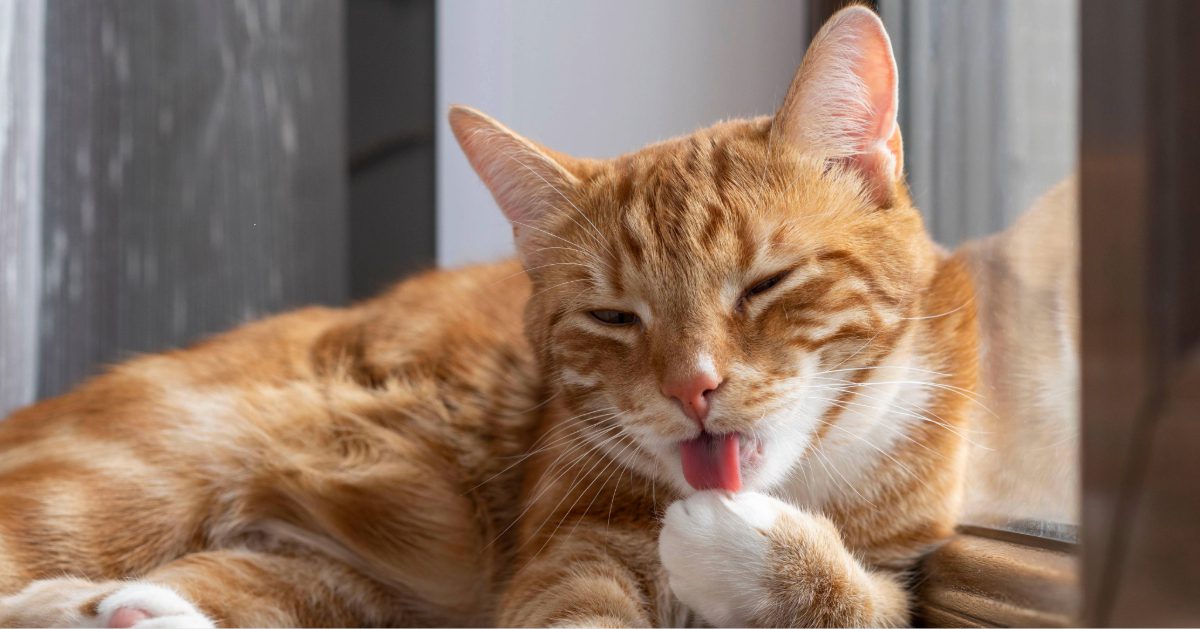
Why Is My Cat Itching and Licking So Much? The Most Likely Causes
Excessive itching and licking in cats is medically referred to as pruritus. When a cat scratches, bites, chews, or licks persistently, the behavior indicates that something is triggering an itch response in the skin. While there are several possible causes, allergies and flea infestations are by far the most common reasons cats develop this kind of skin irritation.
Flea Allergy Dermatitis: The Itch That Keeps Coming Back
Flea allergy dermatitis is one of the most prevalent skin conditions in cats, and it does not take a full-blown flea infestation to cause a problem. In cats with flea allergies, a single flea bite triggers an exaggerated immune response. The flea’s saliva contains proteins that hypersensitive cats react to intensely, causing severe itching that can persist long after the flea itself is gone.
Cats with flea allergy dermatitis often scratch and bite at the base of their tail, along their back, and around their neck and head. You may notice patchy hair loss, small crusty bumps called miliary dermatitis, or reddened, irritated skin. Because fleas are small and fast-moving, you may not even see them on your cat, which makes it easy to overlook fleas as the cause. Checking for flea dirt (tiny dark specks in the coat) is a useful at-home indicator, though a veterinary exam is necessary for a proper diagnosis.
Allergies in Cats: Environmental and Food Triggers
In addition to flea allergy dermatitis, cats can develop allergic reactions to environmental triggers such as pollen, mold, dust mites, and household cleaning products. Environmental allergies, also called atopic dermatitis in cats, typically cause itching around the face, ears, belly, and paws. Symptoms may worsen seasonally or persist year-round depending on the trigger.
Food allergies are another consideration, particularly in cats that have been eating the same diet for years. Cats can develop sensitivities to common protein sources such as chicken, beef, or fish. Food-related itching often affects the head, neck, and face and may be accompanied by gastrointestinal symptoms. Diagnosing food allergies requires a dietary elimination trial under veterinary supervision.
How We Diagnose Why Your Cat Is Itching
Because itching in cats can stem from multiple causes, a thorough diagnostic workup is important before starting treatment. At Buffalo Grove Animal Hospital, we begin with a complete physical exam and a review of your cat’s history, including their diet, environment, and parasite prevention routine. We look for signs of fleas, flea dirt, skin lesions, hair loss patterns, and secondary infections caused by chronic scratching.
Based on the exam findings, we may recommend skin cytology to check for bacterial or yeast infections, allergy testing, or a dietary elimination trial. Identifying the underlying cause allows us to build a treatment plan that actually addresses the root of the problem rather than just temporarily masking the symptoms.
Flea Prevention and Treatment Options for Cats
The most effective way to manage flea allergy dermatitis in cats is to prevent fleas from ever biting in the first place. Year-round flea prevention is strongly recommended for all cats, even those that live exclusively indoors. Fleas can hitchhike inside on clothing, shoes, and other pets, so indoor cats are not automatically protected.
At Buffalo Grove Animal Hospital, we carry safe and effective flea preventatives that are specifically formulated for cats. It is critically important to never use dog flea products on cats, as many of these contain permethrin, which is highly toxic to felines. Products we recommend include:
- Revolution: A topical monthly preventative that protects cats against fleas, ear mites, roundworms, and hookworms. Revolution is a trusted and cat-safe choice for comprehensive parasite protection.
- Simparica: An oral flea and tick preventative that is available for cats in appropriate formulations. It provides fast-acting protection and is easy to administer.
- NexGard: An oral option that offers reliable protection against fleas and ticks and is available in formulations suited for cats.
If your cat is already dealing with a flea infestation, treatment also involves addressing the environment. Flea eggs and larvae live in carpets, bedding, and furniture, so treating the home is an essential part of eliminating the infestation. Your veterinarian at Buffalo Grove Animal Hospital can walk you through the steps and recommend safe household products.
Allergy Treatment Options for Cats Who Itch
When fleas are ruled out or controlled and itching persists, allergies are typically the next focus. Managing allergies in cats often requires a multi-step approach that combines identifying triggers with medications that reduce the immune response driving the itch.
Depending on your cat’s specific situation, your veterinarian may recommend antihistamines, omega-3 fatty acid supplements to support skin barrier function, or medicated shampoos to soothe inflamed skin and reduce secondary infections. If a food allergy is suspected, transitioning to a hydrolyzed protein or novel protein diet under veterinary guidance is often the next step.
Signs That Your Cat Needs to See a Veterinarian
Many pet owners wonder how to tell the difference between normal grooming and problematic itching and licking. Cats are naturally clean animals and do groom themselves regularly. However, some signs suggest that what you are seeing goes beyond normal self-care and warrants a veterinary visit. Watch for:
- Hair loss or bald patches, especially near the base of the tail, along the back, or around the face and neck
- Visible skin lesions, scabs, redness, or crusty bumps on the skin
- Your cat constantly scratching, biting, or licking the same areas
- A change in the quality, texture, or appearance of your cat’s coat
- Signs of discomfort such as restlessness, irritability, or disrupted sleep
If you see any of these signs, reach out to Buffalo Grove Animal Hospital. The sooner we identify what is causing your cat’s discomfort, the sooner we can help them feel better.
Give Your Cat the Relief They Deserve
A cat that itches and licks excessively is telling you they need help. Whether the cause is flea allergy dermatitis, environmental allergies, or a food sensitivity, effective treatments are available at Buffalo Grove Animal Hospital in Buffalo Grove, IL. Our team is experienced in diagnosing and managing skin conditions in cats, and we are committed to finding the right solution for your individual pet. Do not let your cat suffer in silence. Call us at (847) 394-1128 to schedule an appointment and take the first step toward lasting relief.
Recent Posts
Essential Vaccinations Every Pet Should Have and Why
Essential Vaccinations Every Pet Should Have and Why Every pet owner asks at some point which shots…

Fun and Engaging Activities to Keep Your Pet Active and Happy
Fun and Engaging Activities to Keep Your Pet Active and Happy Every dog and cat needs regular…
The Benefits of Regular Vet Check-ups for Your Pet’s Health
The Benefits of Regular Vet Check-ups for Your Pet’s Health Most pet owners only think about a…
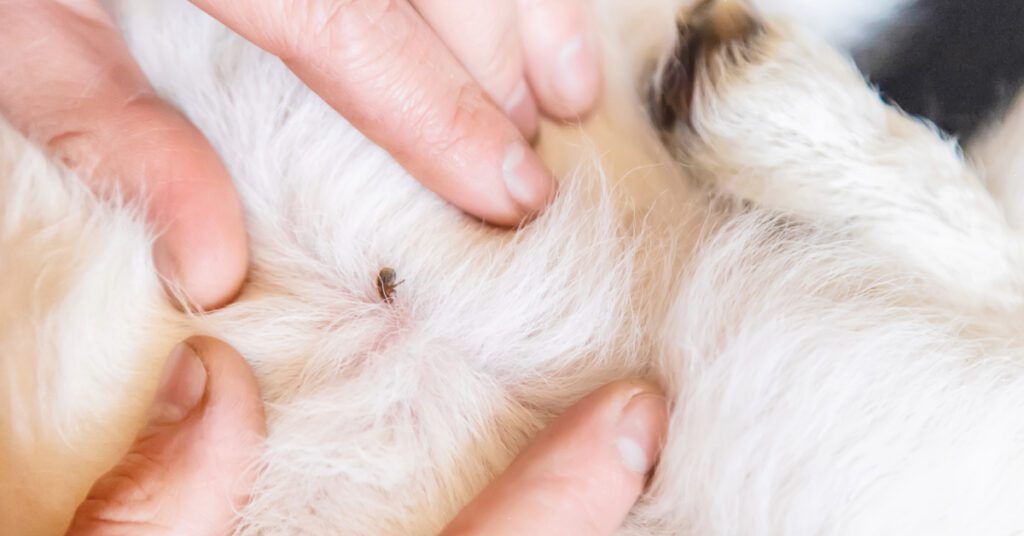
Symptoms and Causes of Lyme Disease in Dogs, How is It Treated?
Symptoms and Causes of Lyme Disease in Dogs, How is It Treated? Ticks are a fact of…
Tips for Protecting Your Pet from Fleas and Ticks
Tips for Protecting Your Pet from Fleas and Ticks Fleas and ticks are more than just an…
About Buffalo Grove Animal Hospital
Buffalo Grove Animal Hospital has been a part of the Buffalo Grove community since 1969. Our veterinarians serve Buffalo Grove, Arlington Heights, Palatine, and the surrounding areas with the best veterinary medicine year after year. Our commitment to pet health runs deep, and we’ve proven our skill and compassion by becoming an AAHA-accredited Animal Hospital, the highest accreditation veterinary practices can receive.