
Tips for Protecting Your Pet from Fleas and Ticks
Fleas and ticks are more than just an annoying inconvenience for your pet. They are a genuine health risk, capable of transmitting diseases, triggering allergic reactions, and causing serious complications if left untreated. Protecting your pet from fleas and ticks is one of the most important parts of responsible pet ownership, and it is something the team at Buffalo Grove Animal Hospital in Buffalo Grove, IL cares deeply about. If you have been wondering what the best flea and tick prevention options are, how to spot an infestation, or what risks these parasites actually pose, this guide is for you.

Why Flea and Tick Prevention Matters for Your Pet
Flea and tick prevention is not just about keeping your pet comfortable, though that certainly matters. These parasites carry and transmit serious diseases that can affect both your pets and your family. Understanding the specific risks each parasite poses helps illustrate why prevention should be a year-round priority, not just a warm-weather concern.
The Health Risks Fleas Pose to Dogs and Cats
Fleas are tiny, fast, and remarkably difficult to eliminate once they take hold in your home. A single female flea can lay dozens of eggs per day, meaning a small problem can become a major infestation very quickly. Beyond the obvious discomfort of flea bites, fleas pose several direct health risks to pets. Flea allergy dermatitis is the most common skin condition in cats and dogs and is caused by an allergic reaction to flea saliva. Even a few bites can trigger intense, persistent itching in allergic pets.
Fleas can also transmit tapeworms if a pet swallows an infected flea while grooming. In young, small, or already-ill pets, a heavy flea burden can cause significant blood loss, leading to anemia. This makes flea prevention especially important for puppies, kittens, and senior pets.
The Health Risks Ticks Pose to Dogs and Cats
Ticks are external parasites that attach to your pet’s skin and feed on blood. In doing so, they can transmit a range of serious illnesses. Lyme disease, caused by the black-legged tick, is one of the most well-known tick-borne diseases in dogs and can cause lameness, joint pain, fever, and kidney damage if left untreated. Other tick-borne diseases that affect pets in the Midwest and beyond include ehrlichiosis, anaplasmosis, and Rocky Mountain spotted fever.
Ticks are found in wooded areas, tall grass, and leaf litter, but they also live in suburban backyards and parks. In the Chicago area and throughout Illinois, tick populations have grown significantly in recent years, making year-round tick prevention increasingly important for pets who spend any time outdoors.
How to Protect Your Pet from Fleas and Ticks
The most effective strategy for protecting pets from fleas and ticks combines consistent use of veterinarian-recommended preventatives with regular monitoring and good environmental hygiene. There is no single approach that works for every pet, which is why the team at Buffalo Grove Animal Hospital takes the time to help you choose the right product for your individual dog or cat.
Choosing the Right Flea and Tick Preventative for Your Dog
Today’s flea and tick preventatives for dogs are highly effective, safe, and convenient to use. The most commonly recommended options fall into two categories: oral medications and topical treatments. Both can provide excellent protection when used consistently.
Oral preventatives such as Simparica and NexGard are chewable tablets given once a month. They work by entering the bloodstream and killing fleas and ticks when the parasites bite your dog. These products are popular with pet owners because they are easy to administer, there is no concern about washing off with bathing, and they tend to offer fast-acting protection. Simparica and NexGard are both prescription medications, so a veterinary exam is required before they can be dispensed.
For dogs that are not good candidates for oral preventatives, topical options are available that are applied directly to the skin. Your veterinarian at Buffalo Grove Animal Hospital can help you weigh the benefits and limitations of each option based on your dog’s health history, lifestyle, and how much time they spend outdoors.
Choosing the Right Flea and Tick Preventative for Your Cat
Cats require cat-specific flea and tick preventatives. Products formulated for dogs can be dangerous or even fatal to cats, so it is essential to use only products approved for feline use. Revolution is one of the most trusted topical options for cats. Applied monthly to the back of the neck, Revolution protects against fleas, ear mites, roundworms, and hookworms, making it a comprehensive choice for indoor and outdoor cats alike.
Oral preventatives such as Simparica and NexGard are also available in formulations appropriate for cats and offer reliable flea and tick protection in an easy-to-administer form. Talk with our team about which option makes the most sense for your cat’s lifestyle and individual health needs.
Tips for Protecting Your Pet from Fleas and Ticks at Home and Outdoors
Preventative medications are the cornerstone of flea and tick control, but they work best when paired with smart habits at home and outdoors. Here are practical steps you can take to reduce your pet’s exposure:
- Mow your lawn regularly and remove leaf piles, brush, and tall grass where fleas and ticks thrive
- Check your pet thoroughly for ticks after outdoor activities, paying close attention to the ears, between the toes, under the collar, and around the tail
- Wash your pet’s bedding frequently in hot water and vacuum carpets and upholstered furniture regularly to remove flea eggs and larvae
- Avoid walking your dog in heavily wooded or overgrown areas during peak tick season in spring and fall
- Keep wildlife such as deer, raccoons, and rabbits out of your yard, as these animals are common carriers of both fleas and ticks
What to Do If You Find Fleas or Ticks on Your Pet
Discovering fleas or ticks on your pet can be stressful, but prompt action makes a significant difference. Knowing what to do and what not to do is important.
Removing a Tick Safely
If you find a tick attached to your pet, use fine-tipped tweezers or a tick removal tool to grasp the tick as close to the skin as possible and pull upward with steady, even pressure. Avoid twisting, squeezing the body of the tick, or using home remedies such as petroleum jelly or heat, as these methods can increase the risk of disease transmission. After removal, clean the bite area with rubbing alcohol. Save the tick in a sealed bag or container in case your veterinarian wants to identify the species. Contact Buffalo Grove Animal Hospital if you are unsure how to safely remove the tick or if your pet shows any signs of illness following a tick bite.
Addressing a Flea Infestation
If you discover fleas on your pet, treatment needs to happen on two fronts: on the pet and in the environment. Up to 95 percent of a flea population lives off the host in the form of eggs, larvae, and pupae in carpets, bedding, and furniture. Treating your pet alone will not eliminate the infestation. Contact Buffalo Grove Animal Hospital to get your pet started on an appropriate preventative right away, and ask about safe options for treating your home environment. Be patient, as complete flea elimination can take several weeks.
Year-Round Flea and Tick Prevention Is the Smart Choice
One of the most common questions we hear from pet owners is whether flea and tick prevention is necessary during winter months in Illinois. The answer is yes. While fleas and ticks are most active during warmer months, fleas can survive indoors year-round, and ticks remain active whenever temperatures rise above freezing, which happens regularly during Midwest winters. Discontinuing prevention during cooler months creates a window of vulnerability that can result in an infestation or a tick-borne illness.
Year-round prevention is simpler, more cost-effective, and far less stressful than responding to an active problem. When your pet is consistently protected, you have one less major health concern to worry about.
How Often Should My Pet Be Checked for Fleas and Ticks?
In addition to at-home checks, regular wellness exams at Buffalo Grove Animal Hospital allow our veterinarians to assess your pet for signs of parasites and evaluate whether their current prevention routine is working. We recommend annual wellness visits at a minimum, with twice-yearly exams for senior pets or those with underlying health conditions. During these visits, we review your pet’s flea and tick prevention plan and make adjustments as needed based on any changes in your pet’s lifestyle, health, or the local parasite landscape.
If your pet has never been on a preventative, is overdue for their annual exam, or if you have noticed signs of fleas or ticks recently, do not wait. Call Buffalo Grove Animal Hospital in Buffalo Grove, IL at (847) 394-1128 to schedule an appointment. Protecting your pet from fleas and ticks is one of the most straightforward and impactful things you can do for their long-term health, and our team is here to help you do it right.
Recent Posts
Essential Vaccinations Every Pet Should Have and Why
Essential Vaccinations Every Pet Should Have and Why Every pet owner asks at some point which shots…

Fun and Engaging Activities to Keep Your Pet Active and Happy
Fun and Engaging Activities to Keep Your Pet Active and Happy Every dog and cat needs regular…
The Benefits of Regular Vet Check-ups for Your Pet’s Health
The Benefits of Regular Vet Check-ups for Your Pet’s Health Most pet owners only think about a…
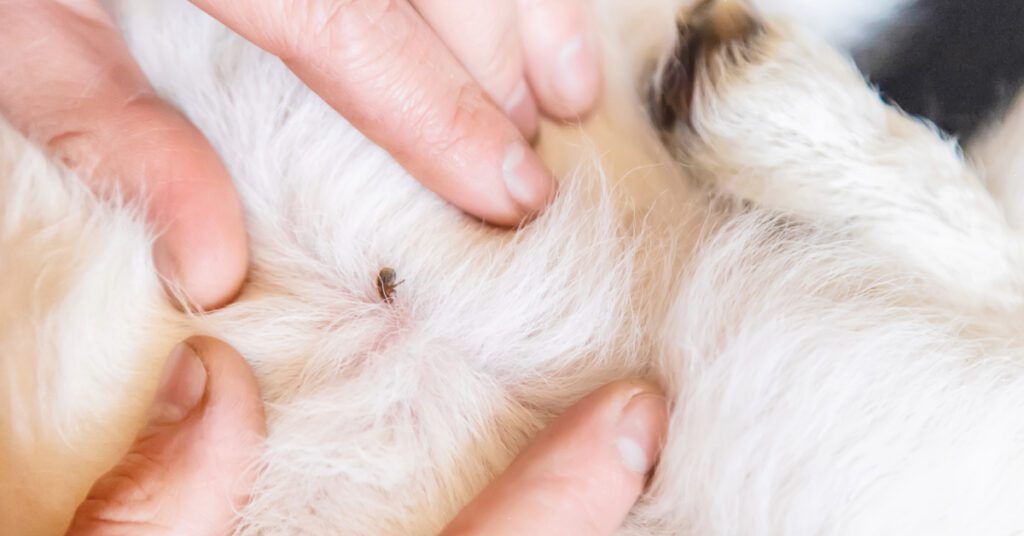
Symptoms and Causes of Lyme Disease in Dogs, How is It Treated?
Symptoms and Causes of Lyme Disease in Dogs, How is It Treated? Ticks are a fact of…

Why Is My Cat Itching and Licking So Much?
Why Is My Cat Itching and Licking So Much? If you have noticed your cat scratching constantly,…
About Buffalo Grove Animal Hospital
Buffalo Grove Animal Hospital has been a part of the Buffalo Grove community since 1969. Our veterinarians serve Buffalo Grove, Arlington Heights, Palatine, and the surrounding areas with the best veterinary medicine year after year. Our commitment to pet health runs deep, and we’ve proven our skill and compassion by becoming an AAHA-accredited Animal Hospital, the highest accreditation veterinary practices can receive.